
By William Lehman, William Lehman Leasing. Choosing the correct box truck for a small fleet is essential to improve operational efficiency and control costs. This guide outlines the key factors that affect box truck purchases: vehicle types, financing options, maintenance requirements and industry trends. As logistics demands change, businesses should select trucks that meet operational needs and support profitability. We cover size and feature evaluation, financing choices and maintenance cost considerations.
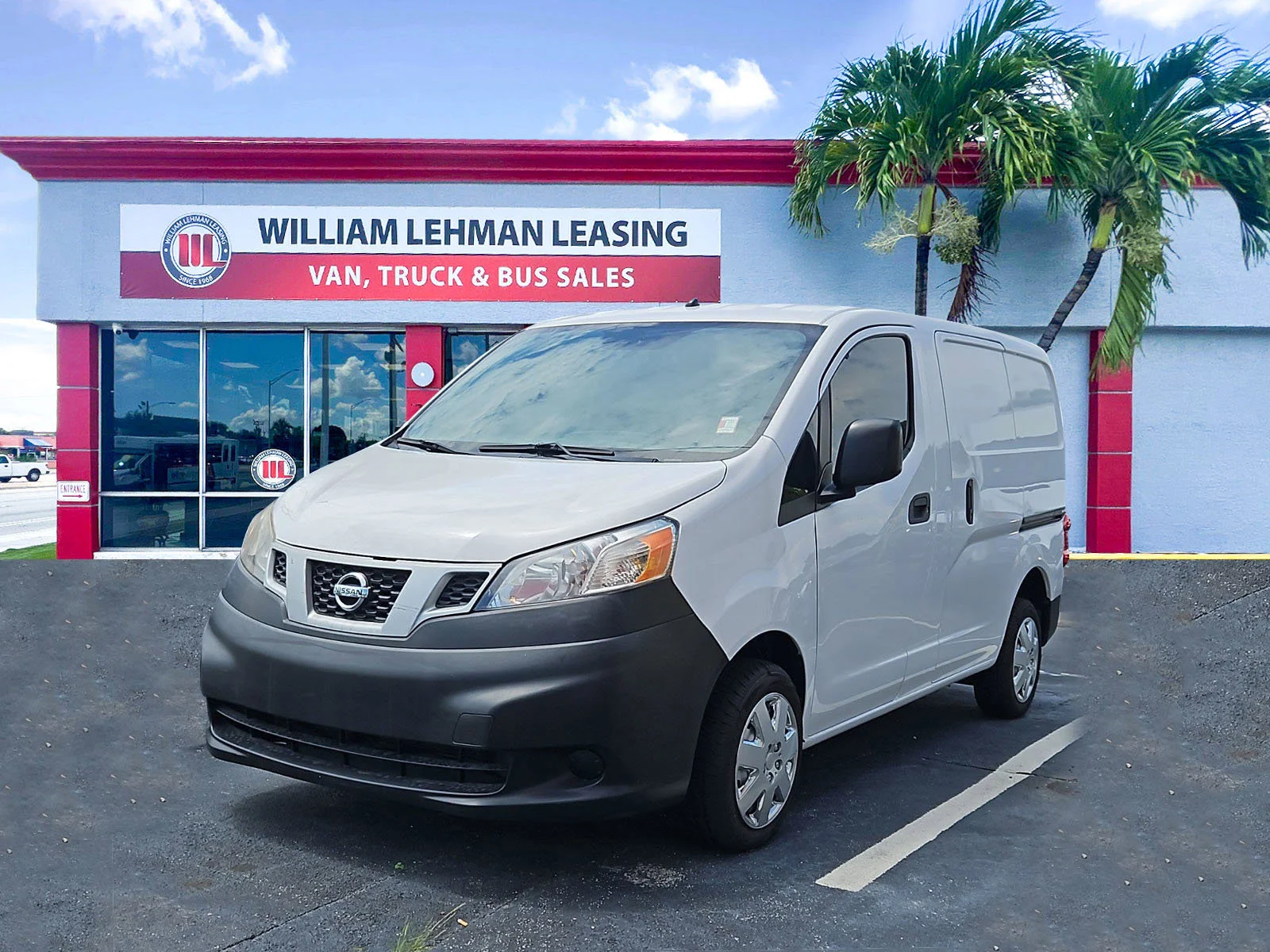
Box trucks are available in multiple configurations and payload capacities to suit different business tasks. Knowing these differences lets operators match truck size to cargo, routes and regulatory limits. This section explains the factors buyers should weigh to align vehicles with their operational goals.
When considering types and sizes, think about operational patterns: frequent stops in dense urban areas favor compact, maneuverable trucks with easy curbside access, while longer regional routes may call for larger cargo volumes and driver comfort features. Also consider door configuration and whether side access, liftgates or roll-up doors are required for your typical loads. These practical details directly affect loading speed and route efficiency.
Small fleets often benefit from a mix of sizes to cover varied jobs without overspending on specialized equipment. Standardising on a small number of platform types reduces training, parts inventory and maintenance complexity, while still allowing flexibility to match vehicles to tasks. Evaluating your peak cargo dimensions and the most common stop patterns helps set an optimal size range for fleet purchases.
Match truck dimensions to your cargo volume, load type and trip frequency. Consider interior cubic capacity and door and access layouts as well as payload limits. Overloading increases wear, creates safety risks and can breach regulations. Choosing the right size keeps operations efficient and compliant.
In practice, map sample loads and simulate loading to verify that typical pallets, crates or assembled products fit comfortably. Confirm door clearance, floor height and available tie-down points to avoid rework during deliveries. Pay attention to payload limits relative to gross vehicle weight ratings and planned cargo types — a box with sufficient volume but inadequate payload capacity can still create problems.
Also consider how seasonal fluctuations affect payload and volume. If your business has pronounced peaks, choose a baseline vehicle size for regular demand and plan temporary rentals or subcontracting for peak surges rather than permanently oversizing the fleet.
Some models suit small business use better because of fuel economy, practical technology and proven reliability. Look for trucks with advanced safety systems and aerodynamic features that lower fuel costs. Compare specifications and owner feedback to identify models that balance dependability and lifecycle cost.
Model selection should also weigh service network coverage and parts availability in your operating region. A technically advanced truck can reduce fuel and improve safety, but only if local dealers and service centres can maintain it efficiently. Balance the benefits of newer features against the convenience and cost predictability of widely supported platforms.
Finally, review owner forums, professional fleet reviews and third-party reliability data to prioritize models with known durability and reasonable total cost of ownership. Practical user experiences often reveal recurring maintenance items or real-world fuel performance that manufacturers' spec sheets don't fully capture.
Financing and leasing choices shape total cost and cash flow for small fleet acquisitions. Consider available capital, expected revenue and fleet strategy when deciding between lease and loan structures. This section compares common pathways and outlines the factors that should guide a sound financial decision.
Beyond simple lease or loan selection, examine contract details such as early termination penalties, permitted mileage, maintenance obligations and warranty coverage. Some lease structures bundle maintenance or offer service plans; others leave all upkeep to the lessee. Compare net costs across realistic holding periods and expected utilization.
Also consider tax treatment and balance-sheet effects when evaluating options. Depending on accounting practices and local rules, leases and loans can differ in how they impact reported liabilities and available credit. Consult with your accountant or financial advisor to align financing choices with broader business financing strategy.
Leasing and financing serve different priorities. Leasing typically offers lower monthly payments and supports regular upgrades. Financing builds equity, can reduce long-term cost and allows permanent customisation. Compare total cost of ownership — payments, maintenance and depreciation — to decide which aligns with your business plan.
When comparing monthly costs, include predictable maintenance and insurance changes that may differ between leased and owned units. Leasing can simplify fleet renewal cycles and provide newer safety and efficiency features more frequently, while financing lets you capture resale value at the end of ownership. Model potential cash flows under both scenarios to understand which better supports your growth plans.
| Financing Type | Monthly Payment | Upfront Costs | Ownership | Best For |
|---|---|---|---|---|
| Leasing | Lower | Typically lower | No | Frequent upgrades |
| Financing | Higher | Usually higher | Yes | Long-term usage |
The table outlines the core contrasts between leasing and financing to help fleet owners select the arrangement that supports growth and cash-flow goals.
To get an accurate comparison, request sample amortisation schedules and residual value estimates from lenders and leasing companies. Consider running sensitivity scenarios that adjust utilisation, fuel cost and maintenance to see how sensitive each financing pathway is to operating fluctuations. That helps reduce surprises and supports more confident purchasing decisions.
Understand interest rates, loan terms and down payment requirements before committing. Better credit generally secures lower rates and more favourable terms. Knowing how each element affects monthly obligations and overall cost helps you negotiate and plan cash flow.
Also review covenants, balloon payments and refinancing options in advance. Ask lenders about early payoff penalties and the process for handling damage or modification clauses if you plan to add equipment or branding. Clear documentation of these details prevents misunderstandings during the loan or lease term.
When negotiating, prepare documentation showing fleet usage, historical revenue and maintenance records. Lenders are more likely to offer competitive terms when they can see a well-managed fleet and realistic projections. Shop multiple lenders including specialised commercial vehicle finance providers to compare offers.
Budget, utilisation and long-term plans determine whether new or used trucks are preferable. New vehicles provide warranty coverage and more predictable maintenance; used trucks reduce upfront cost but may require earlier repairs. Compare lifecycle costs before making a purchase.
Consider certified pre-owned options where available: these vehicles often come with inspected condition reports and limited warranties that can bridge the risk gap between new and typical used units. Evaluating the expected ownership horizon and resale values helps determine which choice produces lower total cost for your planned operating period.
If you buy new, factor in lead times for factory orders and possible customization windows. If immediate availability is critical, local used inventory or dealer stock may be the faster route, while new purchases can be timed for long-term fleet planning.
Used trucks reduce initial expenditure and slow early depreciation, but can carry unknown maintenance risks. Review service records, conduct thorough inspections and confirm any remaining warranties. Balance immediate savings against potential repair costs when evaluating used options.
When sourcing used inventory locally, compare miles, usage type (delivery, regional haul, storage) and evidence of regular maintenance. Trucks used primarily for urban short-haul work may have different wear patterns than long-distance units; align inspection focus to the vehicle’s prior duty cycle to catch typical problem areas.
Inspect the engine, transmission and structural condition, and verify mileage, maintenance history and accident records. Use a checklist and, if needed, commission a qualified mechanic for a detailed inspection. A complete assessment supports fair pricing and stronger negotiation.
Key inspection points include checking for frame or body repairs, signs of water damage in the cargo area, steering and suspension play, and evidence of oil or coolant leaks. Confirm that auxiliary equipment such as liftgates, refrigeration units or tail lifts are serviced and have no recorded faults. Ask for maintenance logs and any records of major repairs to judge ongoing reliability.
Leverage professional inspection services when evaluating high-mileage or high-value used trucks; an expert assessment can reveal issues that materially impact value and future maintenance expense, and provides leverage during price negotiations.
Reliable estimates of maintenance and operating costs are central to fleet budgeting. Include routine servicing, tyre replacements and unexpected repairs in financial projections. Clear cost forecasts reduce cash-flow risk and support predictable operations.
Create a simple model that separates fixed costs (insurance, licensing, finance payments) and variable costs (fuel, tyres, routine labor). Track historical spend per vehicle and update projections with actuals to improve accuracy over time. Use a preventive maintenance plan to shift spending from unpredictable major repairs to predictable routine work.
Routine servicing prolongs vehicle life and reduces major repair risk. Regular tasks include fluid changes, brake inspections and tyre rotations. Costs vary by make and model, but budgeting about $1,000 per truck per year for standard upkeep is a practical baseline. Maintain service records to manage schedules and costs.
Beyond routine maintenance, plan for periodic items such as suspension components, cooling system service and drivetrain checks. Keep a vendor list for common replacement parts and consider bulk purchasing agreements for consumables like filters and brake pads to lower unit cost. Documenting work thoroughly helps when selling or trading in units and aids warranty claims when applicable.
Fuel efficiency is a major driver of operating expense for fleets. Choosing fuel-efficient models and keeping powertrains well maintained reduces fuel consumption, especially when prices fluctuate. Investing in efficient technologies and preventive maintenance lowers operating costs and improves sustainability.
Operational practices also meaningfully affect fuel use: driver training on smooth acceleration and speed control, route optimisation to reduce idle time, and using telematics to monitor harsh braking or idling can produce measurable savings. Small fleets often find that modest changes to routes and driver habits provide quick returns without significant capital expense.
Consider aerodynamic add-ons and proper tyre inflation as low-cost ways to improve consumption. When evaluating new purchases, compare real-world fuel economy reports in addition to manufacturer figures, since actual duty cycles can differ from test conditions.
Find local inventory through established dealerships, specialised online marketplaces and fleet remarketers. Each channel offers different price points and service levels; vet sellers and inspect vehicles to confirm suitability for your operations.
Dealers often provide trade-in options and certified pre-owned programs, while specialised marketplaces expand geographic choice and allow easier comparison shopping. Local auctions can supply low-cost units but often carry higher inspection risk; use them for experienced buyers who can inspect thoroughly or have mechanic support.
When evaluating sellers, request references and look for transparent vehicle histories. Confirm title status, any liens and ask for full disclosure of past damage or repair work. Reliable vendors will gladly provide documentation and facilitate independent inspections.
William Lehman Van Truck and Bus Sales offers services tailored to small fleets, including a broad inventory, quality assurance and responsive customer support. Buyers can access current models, competitive pricing and financing options to simplify the acquisition process.
As with any dealer relationship, ask about after-sale support, parts availability and any in-house service capabilities. Dealers that assist with paperwork, temporary transport, and initial setup can reduce downtime and speed fleet deployment, particularly for operators without dedicated procurement resources.
Start by researching reputable dealers and commercial vehicle platforms. Request vehicle history reports, schedule test drives and benchmark pricing against market averages. Apply consistent evaluation criteria to identify trucks that meet your operational needs.
Create a shortlist with standardised scoring criteria (condition, service history, equipment, price and expected downtime) to compare vehicles objectively. During test drives, evaluate handling under loaded conditions if possible and verify that instruments and onboard systems operate as expected. Take photos and notes to aid later comparisons and negotiation.
Buyers commonly raise questions about specifications, financing and suitability. Addressing these issues early clarifies requirements and speeds decision-making.
Documenting typical routes, cargo types and annual mileage helps sellers and finance partners give targeted recommendations. Preparing this information in advance shortens negotiations and ensures quotes and options are relevant to your operation.
Choose size based on typical load volume and delivery patterns. Local delivery often demands smaller, more maneuverable trucks; long-distance work needs larger cargo space and higher payload capacity. Matching vehicle dimensions to load profiles avoids inefficiency and excess cost.
Also evaluate driver licensing requirements and parking or depot constraints that might limit vehicle size choices. Where curb access is tight, consider narrower chassis options and door types that facilitate quick loading and unloading.
Flexible financing supports expansion. Consider lines of credit and small-business programmes that preserve working capital while enabling acquisition. Align financing terms with projected growth and cash-flow forecasts when selecting a lender.
Explore vendor financing, manufacturer programmes and local lender offers to identify combinations of rates and terms that match fleet cycles. Some lenders offer customised solutions for fleet purchases, including seasonal payment schedules or deferred first payments to align with revenue inflows.
The box truck market is changing due to technology advances, economic shifts and evolving customer expectations. Staying informed on these developments helps fleet owners select vehicles that remain competitive and fit future needs.
Trends include broader adoption of fleet telematics, growing focus on emissions and fuel efficiency, and user expectations for improved cargo tracking and driver-assist features. Keeping an eye on these shifts helps small fleets prioritise features that will deliver operational benefits over the vehicle’s service life.
Demand for efficiency and sustainability is pushing manufacturers to add advanced safety systems, improved fuel economy and cargo-management tools. Choosing trucks with these features helps future-proof your fleet.
In practical terms, buyers should prioritise features that lower running cost and increase uptime, such as integrated telematics for preventative maintenance alerts, modular cargo secures for flexible load types, and driver comfort options that reduce fatigue on longer routes.
Interest rates and broader economic indicators influence available financing and terms. Monitoring rate trends and lender offerings lets buyers secure cost-effective funding and make timing decisions that optimise investment outcomes.
In addition to headline rates, watch for lender incentives tied to specific manufacturers or seasonal promotions that can improve cash flow or reduce initial outlay. Small fleets can sometimes negotiate bundled packages that include service plans and warranties as part of the financing arrangement.
Structured data and visuals make complex comparisons clearer. Use comparison charts, dimension tables and financing calculators to evaluate options side by side and support evidence-based decisions.
Maintain a standard vehicle datasheet for each candidate that lists dimensions, payload, engine and drivetrain notes, available options, warranty coverage and a summary of recent service history. These uniform records simplify apples-to-apples comparison when choosing between multiple offers.
Listings should include key specifications, transparent pricing and available financing terms. Clear details let buyers quickly determine whether a vehicle meets operational and budgetary requirements.
Include photos of the cargo area, chassis and equipment, recent service records and any schedule of remaining warranty coverage. For financing, list sample monthly payments, term options and any dealer fees so buyers can assess immediate and ongoing costs without hidden surprises.
Dimension charts and financing tables break down differences and simplify comparison. Clear visuals help buyers focus on trucks that match capacity needs and budget constraints.
Use simple side-by-side comparisons that highlight the few metrics most relevant to your operation (cargo volume, payload, estimated fuel efficiency and expected maintenance cost). Visual filters help narrow choices quickly and reduce decision fatigue when reviewing many listings.
Leasing usually offers lower monthly payments and reduced upfront cost, which suits businesses needing flexibility or frequent upgrades. Financing results in ownership after payments, potential long-term savings and the freedom to modify the vehicle. The best choice depends on cash flow, operational needs and long-term strategy.
Assess which option better preserves working capital and aligns with your replacement cycle. If you plan to keep trucks for many years, ownership may deliver lower lifetime cost; if you prioritise regular upgrades, leasing can simplify refresh cycles.
Research models and financing, and create a checklist of must-have features and budget limits. Schedule test drives and inspections in advance, and pre-approve financing to speed transactions. These steps reduce delays and help you deal with reputable sellers efficiently.
Use a standardised checklist during inspections and test drives to ensure consistency across candidates, and collect all quotes in a single spreadsheet to compare total cost of ownership projections side by side.
Local delivery favours smaller, fuel-efficient, maneuverable trucks sized for short routes. Long-distance deliveries require larger payloads, driver comfort and advanced safety features. Consider the nature of your goods, delivery frequency and required range when selecting a vehicle.
Also consider driver scheduling and downtime: long-haul trucks may require more rest accommodations and roadside support options, while local trucks often prioritise ease of access and rapid loading capability.
Perform routine checks every 5,000–7,500 miles, covering oil changes, tyre rotation, brake inspections and fluid level checks. Follow the manufacturer’s service intervals for major services to maintain reliability and avoid costly breakdowns.
Beyond mileage-based checks, perform visual walk-arounds at the start of each shift to catch fluid leaks, tyre damage or lighting failures. Early detection of small problems prevents escalation and keeps vehicles in service longer.
Prioritise anti-lock brakes, backup cameras, stability control and collision mitigation systems. Lane-departure warnings and blind-spot monitoring add further protection. Investing in safety equipment reduces accident risk and can lower insurance costs.
Consider active and passive safety combinations: active systems help prevent incidents, while passive features such as reinforced cab structures and quality seating protect occupants when incidents occur. Training drivers to use safety systems effectively is also important for real-world benefits.
Model selection affects fuel consumption, maintenance frequency and cargo handling. Fuel-efficient designs and practical technology can improve workflows and reduce downtime. Choose a model that aligns with your operational profile to maximise productivity.
Consult current fleet drivers and technicians when choosing models: their hands-on experience often highlights small but impactful differences in ergonomics, visibility and serviceability that affect daily operations and long-term costs.
