
By William Lehman, William Lehman Leasing. Miami businesses that need reliable cargo vans must weigh operational requirements, total costs, and fleet flexibility. Whether you use vans for deliveries or field services, selecting the right model affects efficiency, reliability and expenses. This guide outlines the factors to consider when buying or leasing, compares financing and leasing approaches, profiles van types suited to common business uses, and lists the key questions buyers should ask. The aim is to equip Miami businesses to make well-informed, practical decisions when acquiring a cargo van.
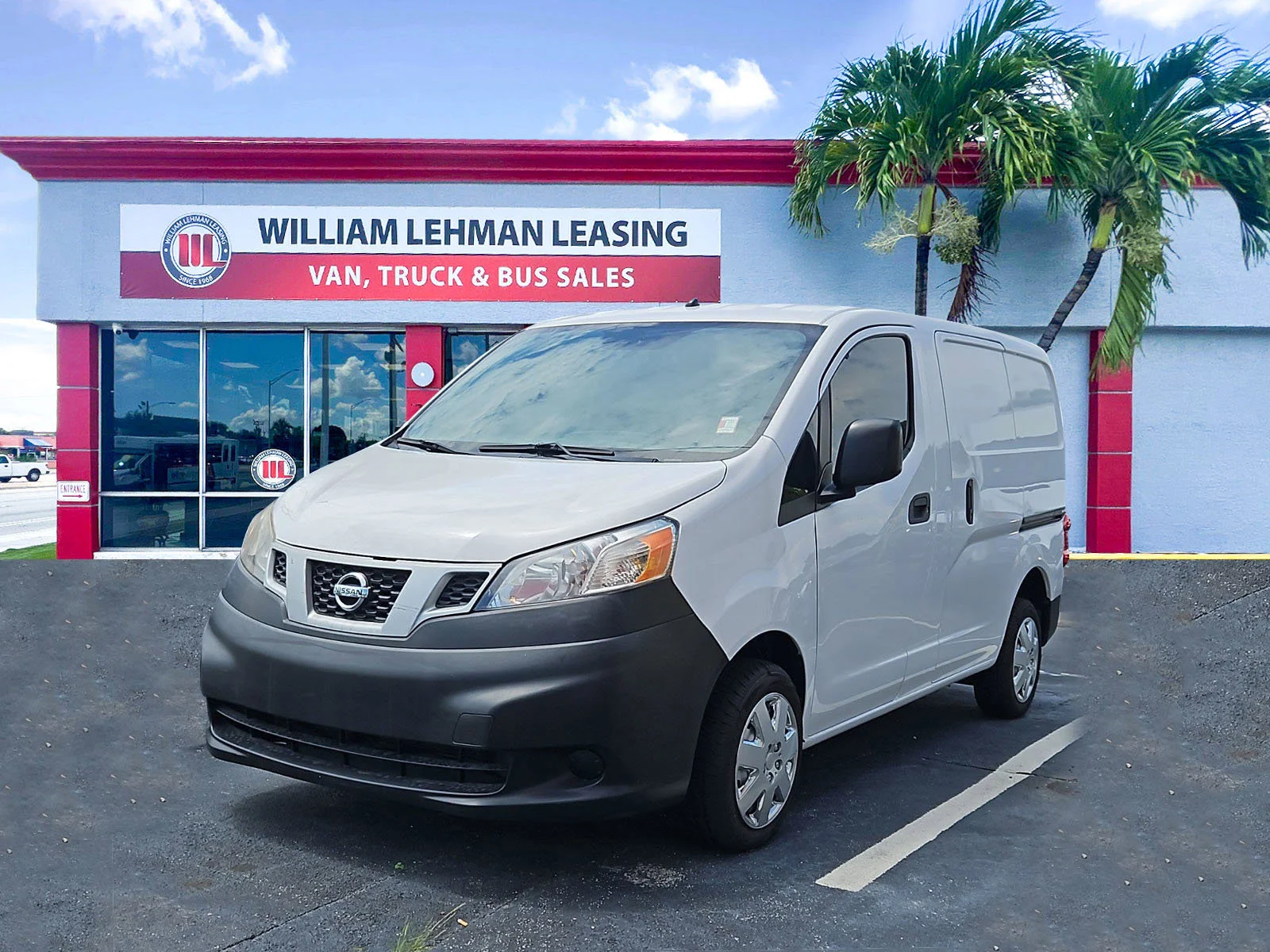
Choosing the right finance route lets businesses acquire vans without straining cash flow. Finance spreads payments over time and reduces the initial capital outlay. Typical options include traditional bank loans, which may offer lower rates but stricter approval criteria, and dealer-provided financing that can simplify and speed up acquisition.
At William Lehman Van, Truck, and Bus Sales, business customers can access tailored financing solutions that align with local cash-flow needs. These programs can provide competitive terms designed to match operational timing and budget priorities.
When preparing to seek financing, assemble basic documentation such as recent business bank statements, business and personal credit information, proof of business registration and a current vehicle use plan. Lenders and dealers commonly review cash flow forecasts and expected vehicle utilisation to tailor term length and payment schedules. Many businesses benefit from a pre-approval step to clarify budget range before negotiating price or lease terms.
Smaller operators should also consider the timing of purchases relative to peak seasons and tax periods. Planning a vehicle acquisition after assessing tax credits, existing cash reserves and expected revenue can reduce short-term strain and help secure more favorable repayment terms. Engaging a finance advisor or an accountant early in the decision process often streamlines approval and helps identify hidden costs such as origination fees, required insurance levels or maintenance obligations tied to certain lending products.
Leasing is an alternative that reduces upfront costs and gives access to newer models with updated features. It provides fleet flexibility, allowing businesses to scale vehicle counts without long-term ownership commitments. Leasing also avoids some ownership expenses, such as long-term depreciation on the vehicle.
William Lehman Van, Truck, and Bus Sales offers structured leasing packages so businesses can select term lengths and mileage allowances suited to their operations. Flexible lease terms help companies match vehicles to project cycles and seasonal demand.
In addition to lower initial payments, leases often bundle maintenance or warranty coverage in ways that simplify operating budgets. When evaluating lease offers, check whether routine maintenance is included or offered as an optional service plan; this can greatly reduce administrative overhead for small fleets. Also consider what happens at lease end: options typically include returning the vehicle, renewing a lease, or purchasing the vehicle at a pre-agreed value.
Leases are particularly useful for businesses that need predictable monthly costs and want to replace vehicles on a regular schedule to maintain modern safety and efficiency standards. Leasing also supports trialing new drivetrain technologies while avoiding long-term exposure to depreciation or emerging maintenance liabilities that come with older equipment.
Different cargo van designs address different business tasks. Key decision points include interior volume, payload capacity and how the van will be used day-to-day. Choosing the right type improves route efficiency, reduces handling time and helps control operating costs.
Evaluating common cargo van models shows meaningful variation in payload and features relevant to business use. Typical examples include models with configurable interiors for trade work, high safety ratings for passenger protection, and design features that ease loading and access.
| Model | Payload Capacity | Key Features |
|---|---|---|
| Ford Transit | Up to 4,530 lbs | Configurable interior, advanced tech |
| Mercedes Sprinter | Up to 3,501 lbs | High safety ratings, eco options |
| Ram ProMaster | Up to 4,440 lbs | Wide cargo doors, floor height |
These model examples highlight attributes that matter for business operations—payload capacity, interior layout and features that improve productivity and safety. Match those attributes to your route profiles and cargo types.
Beyond the headline payload numbers, consider interior geometry and anchoring points for shelving, racks or tool mounts. A vehicle with slightly less payload but a more usable interior shape may reduce loading time and secure cargo more effectively. If your work requires frequent loading and unloading, focus on door width and sill height to reduce manual handling risks and improve worker ergonomics.
Consider also the availability and cost of common after-market upfits. Many businesses add shelving, partition walls, floor liners and cargo management systems. Choosing a base model with straightforward upfit access can shorten downtime and lower upfitting costs. Communicate your intended interior layout to the dealer early; they can advise on factory options or compatible third-party solutions that preserve warranty coverage.
Van size and layout shape how jobs are completed day-to-day. Smaller vans improve manoeuvrability and parking in dense urban areas; larger vans increase carrying volume for bulk deliveries or larger equipment.
Selecting the correct size helps optimise route efficiency, protect worker safety and reduce unnecessary trips. Service businesses, for example, should ensure the van can store required tools and parts without impeding access or safety.
When mapping vehicle size to routes, account for peak hour parking constraints, typical stop duration and the average number of deliveries or service calls per shift. A slightly larger vehicle that allows consolidated trips may save total miles and driver time, but it may also add to fuel and parking costs. Trial a vehicle size with a short-term lease or test drive under realistic load conditions to validate assumptions before committing to a long-term purchase.
Miami businesses can consider several financing structures, including traditional bank loans, dealer in-house financing and equipment financing tailored to business assets.
These routes let businesses pick a solution that aligns with credit profiles, cash flow and long-term ownership goals.
Financing results in ownership and an asset on the balance sheet, which can be advantageous long term. Leasing lowers immediate costs and makes it easier to update vehicles on a regular cycle.
Choose based on operational priorities: finance if you need long-term ownership and equity; lease if predictable short-term costs and regular fleet turnover are more important.
Ownership via financing can provide flexibility to modify vehicles without seeking approval, and eventual full ownership eliminates ongoing lease payments. Conversely, leasing can limit your exposure to residual value risk and can be structured to include service plans and replacements. Weigh the total cost of ownership over the expected operational life of the vehicle rather than focusing only on the monthly payment when making the decision.
Used vans often represent strong value for businesses with tighter budgets. Reputable dealers with certified inventories reduce risk and make it easier to verify vehicle condition and history.
Online marketplaces and local dealer lots both provide options; prioritize sellers that offer service records and transparent inspection reports.
Assessing a used van requires a focused checklist to determine long-term value and dependability.
These inspection points help determine whether a used van meets operational expectations and represents a sound financial choice.
Expand your evaluation with a short road test that includes highway and city driving while carrying a representative load where possible. Listen for unusual drivetrain noises, verify the operation of HVAC and electrical systems, and confirm that any installed shelving or equipment is secure and undamaged. If a comprehensive inspection report is unavailable, consider a third-party pre-purchase inspection to highlight potential mechanical or structural concerns.
Also check for signs of commercial use that may not be immediately obvious—such as reinforced shelving, heavy cargo tie-down wear, or modifications that affect vehicle balance. Confirm that any modifications were installed professionally and do not conflict with warranty or safety standards.
Buying from local dealers offers clear advantages for businesses:
Working with established local sellers such as William Lehman Van, Truck, and Bus Sales provides local-market knowledge and post-sale support tailored to Miami operations.
Local dealers can often accommodate follow-up service, warranty repairs and quick parts access, which reduces downtime. They also have experience with region-specific needs—such as corrosion concerns related to coastal environments—and can recommend protective measures or vehicle options suited to that context.
Leasing lets businesses use a vehicle for a fixed term with monthly payments instead of taking ownership. This structure suits operations with fluctuating demand or those that prefer predictable monthly costs over ownership responsibilities.
Compare lease terms from local dealerships to find the combination of duration, mileage and payment that suits your operational cycle.
Common lease provisions include duration, mileage allowances and cost structure for excess use or wear.
Being clear on these terms prevents unexpected charges and helps compare offers on an apples-to-apples basis.
When negotiating lease details, request explicit descriptions of what constitutes excess wear and how end-of-lease inspections are conducted. Seek written estimates for potential return-condition charges so you can budget accordingly. If you anticipate variable mileage, look for leases with flexible mileage bands or options to purchase additional miles at a predictable rate up front.
Key factors to weigh include upfront cost versus operational needs, expected depreciation and required technology or safety features.
Balance these elements against your budget and service requirements to make a practical choice between new and used vehicles.
New vehicles typically provide the latest safety and efficiency features and often come with full factory warranties, which can simplify maintenance budgeting. Used vehicles reduce initial outlay but may require higher near-term maintenance spend. Consider hybrid approaches such as purchasing core vehicles new and adding used or leased units for seasonal demand to balance capital and operating costs.
Combining finance and lease strategies lets businesses match ownership to core assets while using leases for flexible or seasonal needs. For example, finance essential vehicles you rely on daily and lease additional units for peak periods.
This blended approach can reduce capital strain while maintaining the fleet capacity needed for growth and seasonal variation.
Implementation starts with a vehicle-role audit: classify each vehicle by criticality, utilisation and expected service life. Core, high-utilisation vans are candidates for financing and longer-term ownership, while lower-utilisation or short-term project vehicles suit leasing. Track actual utilisation against forecasts and adjust the mix annually as business needs change. This deliberate approach improves cash-flow predictability while reducing the risk of idle or underutilised assets.
Local demand, broader market trends and economic conditions shape inventory levels and pricing. High demand or supply constraints can increase prices and reduce available choices.
Current market reports show rising interest in eco-friendly vans and vehicles equipped with advanced safety and efficiency technology. Buyers increasingly weigh total cost of ownership, including fuel savings and safety features, when making choices.
Alongside powertrain shifts, businesses are paying more attention to telematics and fleet management tools that help track usage, maintenance needs and driver behaviour. These systems can improve route planning and reduce unplanned downtime, which in turn influences buying decisions. When comparing vans, assess the availability and integration cost of telematics and whether the vendor supports straightforward installation and data access.
Local dealers such as William Lehman Van, Truck, and Bus Sales add value through market expertise, tailored recommendations and post-sale service. Their local knowledge helps match vehicle specs to Miami-specific operational demands.
Good dealer relationships shorten service turnaround and can provide access to fleet management resources, preferential maintenance scheduling and bulk-purchase incentives. Before finalising a purchase or lease, ask the dealer about fleet service programs, loaner vehicles during repairs and any local partnerships that can support a smooth ownership experience.
For urban deliveries, compact vans like the Ford Transit Connect offer superior manoeuvrability and easier parking while still providing usable payload capacity. Electric or hybrid options can lower operating costs and emissions; evaluate your route lengths and delivery frequency to choose a model that balances space, efficiency and running costs.
Also consider cargo access features such as sliding side doors and low step-in heights to speed deliveries. If many urban stops require tight parking or curbside loading, a narrower van profile and tight turning circle become practical priorities.
Cargo vans deliver a versatile mix of cargo protection, loading convenience and lower operating costs compared with larger trucks. They typically cost less to run and maintain, and the enclosed cargo area protects goods from weather. For many businesses, vans offer the most practical balance of capacity and economy.
To choose the right size, assess typical cargo volume, frequent routes and the kind of items you transport. Review payload limits, interior dimensions and door layouts. Where possible, test-drive several sizes and configurations to confirm fit for daily tasks.
Document a representative workday with common loads and measure typical load dimensions. Use that record to prioritise interior volume, shelf height and load floor access. When in doubt, measure the tallest or bulkiest item you carry and ensure it fits comfortably inside with secure tie-down points available.
Small businesses can access local credit unions, dealership lease-to-own plans and specialised small-business loans. Government-backed programs may offer targeted loan products. Consult a finance advisor to match available options to your credit profile and growth plans.
Local credit unions and smaller lenders sometimes offer more flexible underwriting for community businesses. Shop multiple lenders and compare the full cost of credit, including fees and required collateral, rather than selecting solely on advertised interest rates.
When negotiating a lease, clarify mileage limits, excess wear-and-tear policies and the total cost including upfront fees. Ask about the option to purchase at lease end and compare offers from different providers. Having a legal or financial adviser review terms can protect your business from unfavourable clauses.
Also seek written examples of end-of-lease charges from similar vehicles to understand typical costs. Negotiate the inclusion of a maintenance package or protective accessories if these reduce your total operating expense over the lease term.
Businesses may qualify for tax incentives, such as Section 179 deductions that allow immediate expensing of qualifying vehicle purchases. Certain states also offer credits or rebates for eco-friendly vehicles. Consult a tax professional to confirm eligibility and to integrate these benefits into your acquisition strategy.
Tax treatment can change based on vehicle usage, percentage of business miles and the presence of special equipment. A tax professional will help ensure that acquisition timing and documentation maximise allowable deductions while remaining compliant.
Regular scheduled maintenance is essential: change oil and filters, rotate tyres, and inspect brakes routinely. Keep the vehicle clean to prevent corrosion and maintain resale value. Track service history in a maintenance log and address warning lights or unusual sounds promptly to avoid larger repairs.
Adopt a preventative maintenance schedule aligned with manufacturer recommendations and operating conditions. For fleets, use simple tracking tools to schedule service by mileage or time and keep spare parts inventory for common wear items to reduce downtime. Regular inspections of cargo securing systems and upfit fittings also protect both the vehicle and the load.
