By William Lehman, William Lehman Leasing. Choosing commercial vehicles in Hollywood neighborhoods can be complex. This guide explains the core services commercial vehicle dealers provide—vehicle selection, customization and financing—so businesses can improve logistics and operational efficiency. It covers vehicle types, financing alternatives and decision factors to help owners select commercial vehicles that align with their operational goals. This article reviews vehicle types, financing options, leasing versus buying, and local market trends that affect purchases. Understanding these areas lets businesses improve efficiency and make strategic choices. We also outline what sets William Lehman Van, Truck, and Bus Sales apart and how they serve Hollywood business owners. Use this guide as a practical checklist. It emphasizes decision steps owners typically take: assess operational needs, set a budget, compare vehicle classes and upfit requirements, explore financing and leasing paths, and plan for maintenance and resale. Each section includes actionable considerations so owners can move from planning to purchase with clarity.
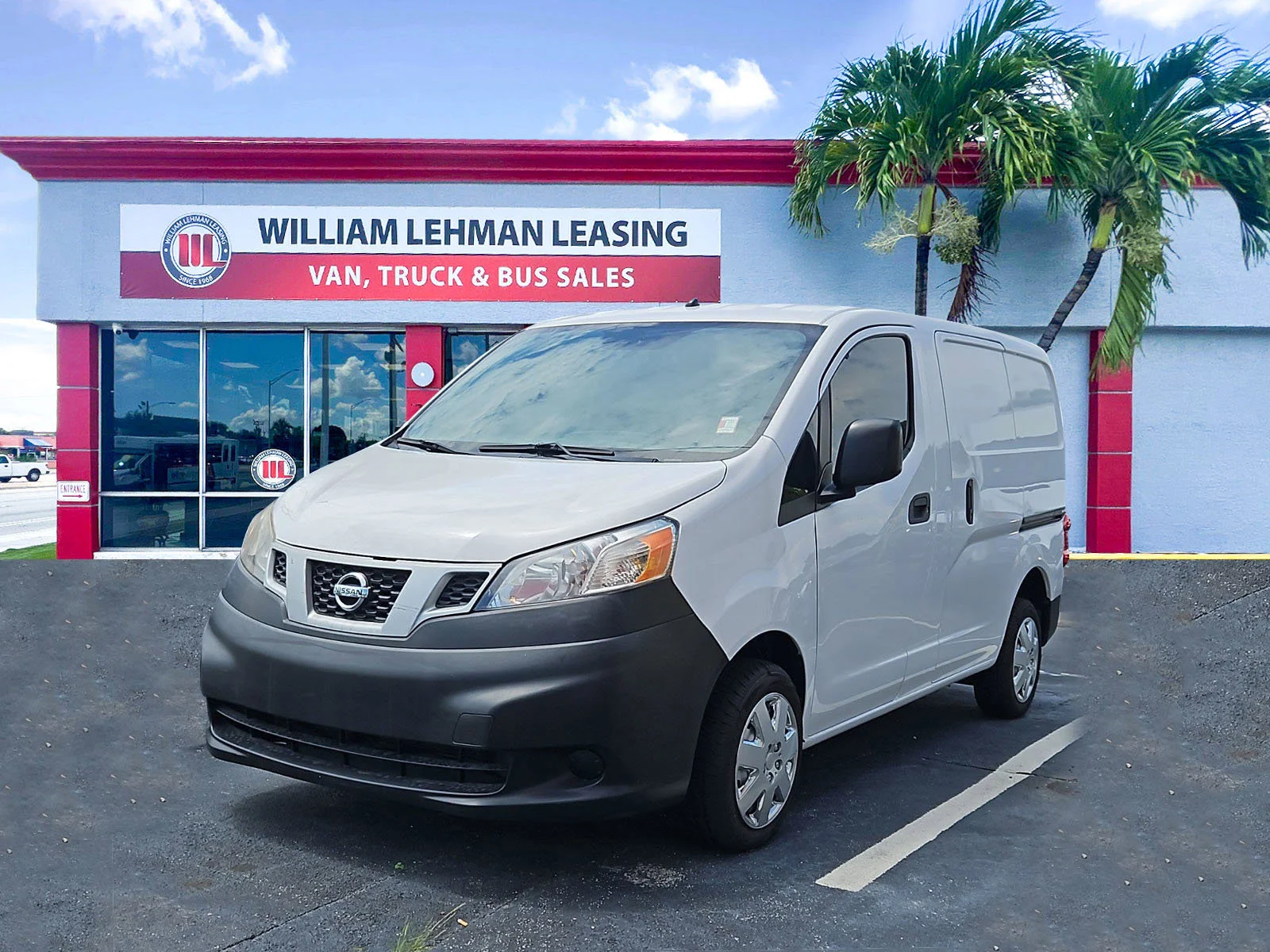
Commercial vehicle dealers supply vehicles, financing and lease agreements tailored to business needs. Whether you require cargo vans, box trucks or specialized units, dealers like William Lehman Van, Truck, and Bus Sales provide options to support diverse logistics requirements.
Dealers deliver tailored recommendations based on operational needs and offer financing and leasing advice to support budget management. This guidance helps owners make strategic choices that match their business objectives.
When working with a dealer, expect a process that includes an intake of your daily routes, payloads and schedule, followed by matching vehicles and upfit recommendations. Dealers often coordinate with upfitters for shelving, refrigeration or accessibility equipment and can provide tentative timelines for customization so businesses can plan around vehicle downtime and service windows.
Businesses in Hollywood can choose from several commercial vehicle categories, including:
Choosing the right category depends on payload requirements, cubic capacity, loading accessibility and regulatory limits tied to vehicle class. Owners should consider how cargo dimensions translate into usable cubic space, whether rear or side access is more efficient for operations, and how modifications will affect overall weight and fuel use. Comparing trade-offs—maneuverability in dense neighborhoods versus carrying capacity for bulk routes—clarifies the best fit for specific service patterns.
Cargo vans perform well in urban delivery environments because of their compact size and maneuverability. Specialty vans provide industry-specific modifications—medical transport or food handling—to meet regulatory and operational requirements. Box trucks suit businesses that move large items or bulk goods efficiently over longer distances.
Beyond immediate fit, owners should factor in maintenance access, insurance classifications and compatibility with common upfitters. For example, a specialty refrigeration unit requires routine checks and possibly a separate maintenance plan. Considering these downstream implications early reduces unexpected operational interruptions and helps estimate true lifecycle costs.
Financing options for commercial vehicles include dealer in-house loans, bank loans and lease agreements. Each choice affects cash flow differently and should be matched to operational needs.
Key financing considerations are interest rates, loan terms and required down payments. Some dealers also offer special programs for first-time buyers or for businesses with credit challenges.
Typical lending processes involve submitting business and personal credit information, basic financial statements, and identification documents. Dealers can often help compile the necessary paperwork and explain preapproval steps that clarify borrowing capacity before inventory selection. Understanding the approval timeline helps businesses align buying decisions with operational windows.
For businesses with limited credit history, alternative options may include co-signer arrangements, equipment-secured lending, or tailored dealer programs that take business cash flow and receivables into account. Discussing anticipated revenue cycles, seasonal variation and existing obligations with a lender often improves the quality of offers received.
William Lehman Van, Truck, and Bus Sales offers a range of financing plans designed to fit business budgets and provide manageable monthly payments.
Their programs are described to adapt to different buyer profiles: short-term operational leases that preserve cash, longer loan terms for ownership, and flexible down-payment structures to ease initial outlay. Prospective buyers should ask about preapproval, early-payoff options, fees at signing, and whether routine maintenance or warranty packages can be bundled into a single payment for easier accounting.
Leasing and buying have distinct advantages depending on a business’s finances and operational goals.
Leasing often suits businesses that need predictable monthly costs and the ability to refresh vehicles on a regular cadence. Buying is preferable for firms that require heavy customization or plan to retain vehicles for many years, capturing long-term value after finance obligations end. Discuss residual values, mileage allowances and end-of-lease options—such as purchase or trade-in—before signing to avoid surprises at term completion.
Leasing provides flexibility and access to newer models, which helps businesses maintain an edge with current technology. Purchasing creates long-term value, as monthly payments end once the loan is paid and the business gains full ownership and freedom to customize.
End-of-term decisions matter: leased vehicles may require reconditioning to meet return standards, while owned vehicles incur resale planning. Businesses should track maintenance, service records and any damage to support higher resale value or minimize lease-end charges. Additionally, coordination between accounting and operations teams ensures financing choices align with tax strategies and cash-flow forecasts.
For questions on vehicles or financing, Hollywood business owners can contact William Lehman Van, Truck, and Bus Sales at:
Before contacting a dealer, prepare a concise brief of operational needs: average daily routes, maximum payload, special equipment requirements, anticipated annual mileage and any regulatory constraints. Having this information readily available speeds the consultation and yields more relevant inventory suggestions and financing options.
Dealers also provide tools and resources—online inventory, financing FAQs, service tips and maintenance guidance—that help businesses assess options and manage vehicles effectively.
Useful online tools include payment calculators that estimate monthly costs for different terms, comparison checklists to evaluate models and upfit compatibility guides. Dealers often maintain downloadable spec sheets and maintenance schedules that simplify fleet planning and budgeting. Using these resources before a site visit ensures time at the dealership focuses on confirming fit rather than basic comparisons.
William Lehman Van, Truck, and Bus Sales stocks a range of commercial vehicles suited to sectors such as delivery, healthcare and retail distribution.
Inventory typically includes several model configurations and trim levels, which helps businesses compare cab layouts, cargo capacity and available factory options. When considering inventory, ask about recently serviced used units and the extent of any dealer-performed inspections or refurbishments to understand the condition and expected longevity of each vehicle.
Choosing used commercial vehicles can lower acquisition costs and, when bought locally, offer convenient dealer support and service.
When evaluating used units, request maintenance history, prior ownership details and any available inspection reports. Dealers that provide transparent histories and a clear warranty or service plan reduce risk and make it easier to forecast total cost of ownership. Consider certified pre-owned options where available for additional assurance.
Buying locally gives immediate access to service and parts, strengthening dealer-client support and improving maintenance response times.
Local purchases also simplify logistics for routine service, recall repairs and warranty work. Nearby support reduces vehicle downtime and helps businesses maintain consistent schedules, which is especially important for delivery-focused operations or time-sensitive services.
Fleet sales solutions help growing businesses manage capacity and scale logistics efficiently.
Beyond procurement, fleet solutions often include telematics, fuel management and scheduled maintenance programs. Telematics systems help track vehicle location, driver behavior and idle time—data that supports route optimization and cost control. Warranty and maintenance contracts can be structured to include priority service, loaner vehicles and bundled parts, which smooths fleet operations and reduces unplanned expenses.
Expanding a fleet affects cash flow and operational planning. Leasing can speed fleet growth with flexible terms, while purchasing offers long-term ownership and stability.
Companies should build a phased expansion plan that ties vehicle acquisitions to demand forecasts and driver training schedules. Consider driver onboarding programs, preventive maintenance intervals and parts inventory so new units integrate smoothly into existing operations. Transparent procurement timelines and vendor coordination keep fleet expansion predictable and scalable.
Local market trends—demand shifts and fuel price changes—affect vehicle availability and pricing and should inform purchase timing and strategy.
Regional supply and demand, dealership inventory turnover and seasonality can influence lead times for specific models or upfits. Monitoring local availability helps buyers decide whether to purchase immediacy or wait for a preferred configuration. Discuss expected delivery windows with the dealer to align procurement with business cycles.
Demand is shifting toward fuel-efficient and eco-friendly commercial models. Businesses are increasingly considering hybrid and electric options to reduce operating costs and environmental impact.
Adopting fuel-efficient or alternative-energy vehicles often requires assessing charging availability, potential incentives and the fit of such vehicles to route profiles. For example, an electric vehicle may be ideal for short urban routes with frequent stops but requires access to reliable charging and planned turn-around time for recharging between shifts.
New financing options—flexible payment schedules and incentives for eco-friendly vehicles—can lower upfront costs and encourage sustainable purchasing decisions.
Innovations include payment structures that align with seasonal cash flow, deferred first payments, or bundled maintenance programs. Buyers should compare total cost over the intended ownership period, not just monthly payments, to ensure financing choices support long-term business goals.
Business owners commonly ask about financing and leasing. Clear answers help them make informed choices.
Financing usually involves reviewing credit, comparing local loan offers and consulting dealers about specific programs to match a business’s cash flow and needs.
Start by gathering documents commonly requested by lenders: business registration, recent bank statements, tax returns and identification. Preapproval helps establish realistic budget constraints and streamlines negotiations. When evaluating offers, compare interest terms, total repayment cost and any lender fees to understand the complete financial picture.
William Lehman Van, Truck, and Bus Sales provides competitive lease terms for both short- and long-term needs, offering flexibility for various operations.
Ask the dealer for a breakdown of what a lease covers—maintenance responsibilities, allowed mileage, wear-and-tear standards and end-of-lease procedures. Clear expectations up front reduce surprises and help match lease structures to usage patterns, whether for seasonal increases in demand or long-term route assignments.
Working with experienced dealers yields tailored recommendations on specifications and financing, helping businesses select vehicles that meet operational requirements.
Expert advisors can suggest cost-saving upfits, identify high-value used units and help structure financing that aligns with cash flow. Their experience with local regulations, typical route conditions and common upfit challenges is especially valuable for buyers who want to avoid costly missteps.
Customers can access workshops and personalized consultations that explain leasing and financing options and simplify the buying process.
Dealers frequently host informational sessions or offer one-on-one meetings to walk through loan comparisons, lease calculators and long-term ownership scenarios. Taking advantage of these resources ensures decisions are informed and that financing structures support operational realities.
Customer testimonials often highlight reliable vehicles, responsive service and financing solutions that supported business objectives.
Reading or requesting case examples helps buyers understand real-world outcomes: which models held up best under heavy use, how warranty claims were handled, and how financing arrangements were executed. Testimonials that reference service responsiveness and transparent warranty handling are particularly useful when evaluating local dealer reliability.
To contact William Lehman Van, Truck, and Bus Sales, use the details below:
When visiting, request a guided walk-through of inventory and inquire about any available demonstration units that reflect typical upfits. A short demonstration helps assess driver ergonomics, loading efficiency and visibility—practical factors that affect daily operations.
Contact the dealership to confirm operating hours and arrange a personalized tour of the inventory.
Scheduling a tour in advance ensures staff can prepare model comparisons, specification sheets and financing proposals tailored to your needs. Bring a short list of must-have features so the appointment focuses on relevant units and reduces time spent on unsuitable options.
Dealers maintain online listings where buyers can review inventory, specifications and financing options remotely.
Use online inventory filters to narrow choices by vehicle type, upfit compatibility, price range and mileage. Save or print spec sheets to compare side-by-side during in-person visits. If available, virtual tours or photo galleries show cargo areas and upfit details that matter for specific workflows.
William Lehman Van, Truck, and Bus Sales offers services that help Hollywood businesses find commercial vehicles matched to their logistics needs. Use this guide to support informed purchasing decisions.
Hybrid and electric commercial vehicles reduce fuel costs and lower operating expenses. They also strengthen a company’s sustainability credentials and may qualify for tax incentives or grants, improving long-term cost-effectiveness.
When considering eco-friendly options, assess route lengths, charging access and expected duty cycles. For businesses with centralized depots, overnight charging can be practical, while routes with unpredictable distances may still favor conventional or hybrid powertrains. Factoring charging time and infrastructure needs into scheduling will reveal whether these vehicles improve productivity and lower operating expense in your specific context.
To adapt to market shifts, track developments in vehicle technology and sustainability standards, consult local dealers for model updates, and regularly reassess logistics needs to align fleet and financing strategies with demand.
Create a regular review cadence—quarterly or biannually—to evaluate whether current vehicles remain fit for purpose and to identify emerging technologies that could reduce cost or improve service. Engaging the dealer in these periodic reviews ensures replacement or upfit plans reflect both market availability and manufacturer roadmaps.
When expanding, evaluate budget limits, vehicle roles, financing options and whether leasing or buying fits cash flow and growth plans. Factor in maintenance costs and warranty coverage for long-term reliability.
Plan expansion in phases and include driver training, parts inventory and spare vehicle strategies. Trialing a small number of vehicles before full deployment helps validate choices under real operating conditions and reduces the likelihood of costly rollbacks or unplanned retrofits.
Seasonal peaks, such as holidays, raise demand for delivery vehicles, while slow periods may reduce need. Anticipate fluctuations and consider leasing for seasonal flexibility.
If your business experiences predictable seasonality, negotiate flexible lease terms or short-term fleet augmentations to avoid long-term commitments in slow months. Advance planning with your dealer ensures vehicle availability when demand spikes and reduces last-minute rental costs.
Incentives—dealer discounts, lower rates or flexible plans—can lower upfront and ongoing costs, especially for first-time buyers or eco-friendly purchases. Knowing available incentives improves purchasing power.
Always ask the dealer which incentives are currently available and how they interact with manufacturer or government programs. Some incentives may require specific documentation or enrollment steps; understanding these requirements early preserves eligibility and maximizes savings.
First-time buyers should research vehicle types, consult dealers about features and financing, set a clear budget covering short- and long-term costs, test-drive options and review warranties before committing.
Additionally, request a detailed cost-of-ownership estimate that includes insurance, maintenance, fuel and expected downtime. Arrange a demonstration run for prospective drivers and prioritize vehicles that minimize daily friction for staff. Taking measured steps reduces the risk of a mismatched purchase and supports smoother integration into operations.
