By William Lehman, William Lehman Leasing. Buying flatbed or dump trucks involves several choices — used vehicles, leases, and various financing structures. Making informed decisions is essential. This guide explains key considerations for used trucks, leasing structures, and financing options. Many buyers struggle to assess what to inspect and how to manage costs. We examine how to match trucks to business needs, compare leasing with buying, and review available financing solutions. The sections below cover specifications, maintenance needs, cost evaluation, and current market trends.
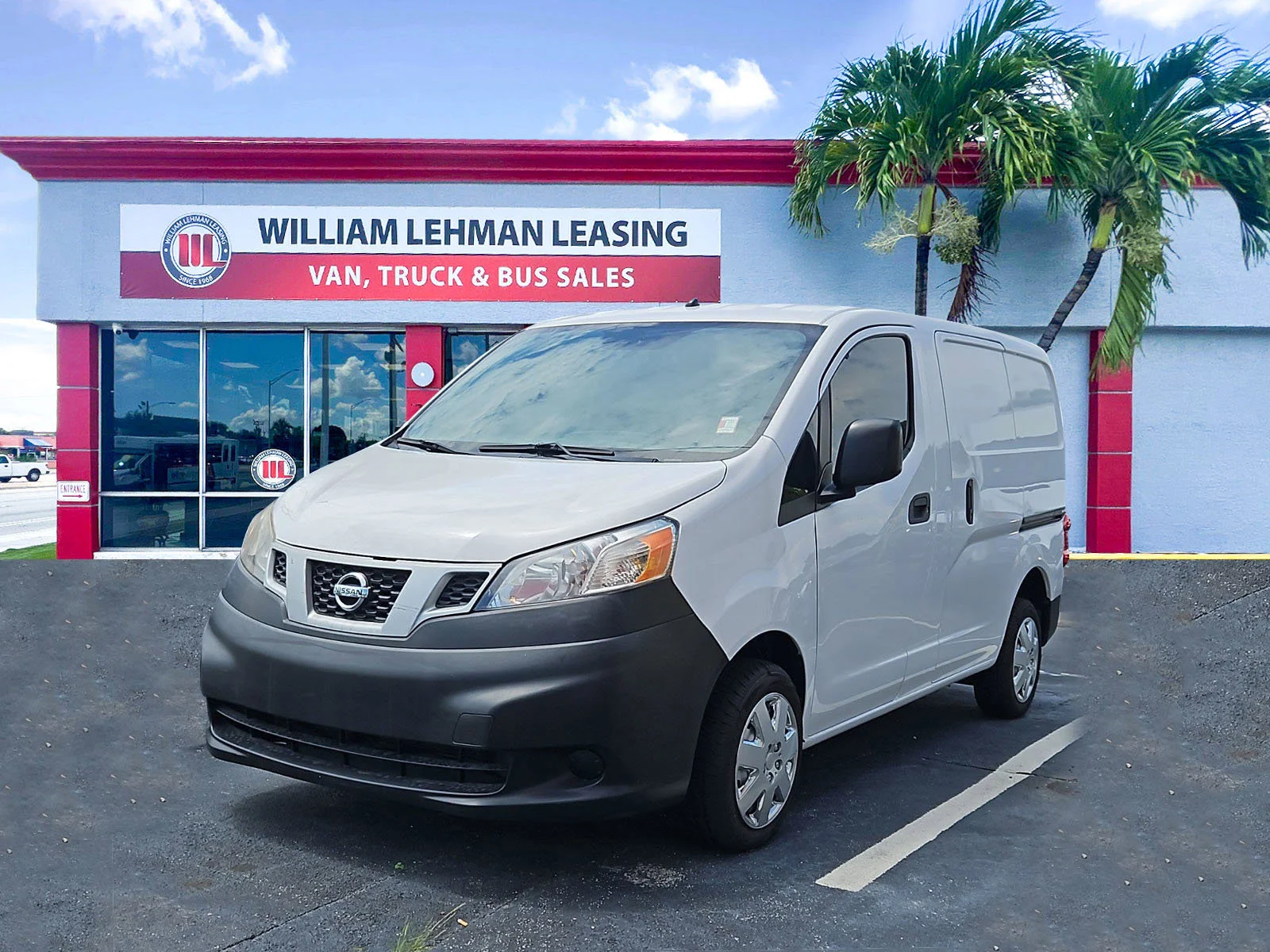
For used flatbed or dump trucks, perform thorough inspections and ensure the truck matches your operation. Ask about prior owners, typical usage, and maintenance records. That history affects both performance and resale value.
Ask what repairs were made, whether there are outstanding recalls, and the current mileage. Detailed maintenance records and repair histories inform pricing and expected future costs.
When evaluating a used truck, create a prioritized checklist before visiting sellers. Include the most critical items first (engine condition, brakes, frame integrity), then secondary items (cab electronics, HVAC, interior wear), and finally body-specific items (bed, hoist, tie-downs). Bringing a technician or independent inspector can uncover issues that are not obvious in a short test drive. Also verify registration, title status, and any liens to avoid legal complications after purchase.
To assess condition and maintenance, inspect these areas:
These checks reduce the risk of unexpected downtime and costly repairs.
Additionally, examine items specific to the truck body type. For flatbeds, check the bed floor, tie-down points, and any mounted equipment for structural fatigue. For dump trucks, inspect the hoist, hydraulic lines, seals, and cylinder mounts. Pay attention to signs of welding repairs, bent frames, or evidence of heavy overloading. A detailed frame inspection and a look under the vehicle for leaks or bent components reveal long-term durability concerns.
Leasing can lower monthly costs and help manage cash flow, letting businesses access higher-spec vehicles without a large upfront capital outlay.
Lease terms typically run 24–60 months, offering flexibility to adapt fleets without long-term ownership. Newer leased vehicles often include warranties that limit repair costs.
For leasing services, William Lehman Van, Truck, and Bus Sales offers options to simplify the process.
When considering a lease, read common lease clauses carefully. Typical considerations include mileage limits, wear-and-tear definitions, early termination fees, and end-of-lease purchase options. Know how excess mileage and damage are assessed, and request examples of typical end-of-lease charges so you can budget accordingly. If your operations include heavy daily use or unpredictable miles, negotiate higher mileage allowances or a lease with more flexible terms.
Buyers can access several commercial financing products. Common choices include:
Evaluate these factors when choosing financing:
Using this analysis helps tailor financing strategies to your business goals.
Also consider non-financial impacts: how quickly you need the vehicle, whether you want to avoid depreciation on your balance sheet, and whether tax treatment of lease payments vs. loan interest aligns with your accounting objectives. Ask lenders what documentation is required, typical approval timelines, and whether pre-approval is available so you can negotiate from a position of strength.
Financing used trucks typically follows these steps:
Knowing these steps helps buyers plan cash flow and negotiate terms.
Support your application with clear business documentation: recent tax returns, profit and loss statements, bank statements, and references. Lenders typically review the vehicle’s value and condition as part of underwriting; obtaining vehicle history reports or independent inspection statements can speed approval. If your credit profile is thin, consider larger down payments or shorter loan terms to improve approval odds and potentially secure better interest rates.
Both leasing and buying offer distinct benefits:
Compare these benefits against your cash flow and long-term operational objectives to choose the right approach.
Practical examples help clarify decisions: a small contractor with fluctuating cash flow may prefer leasing to reduce upfront cost and lock in predictable monthly payments, while a company that needs customized equipment or expects long service life from a vehicle may prefer to buy and amortize the cost over many years. Consider resale potential and how quickly you expect to rotate vehicles in your fleet.
Total cost of ownership includes the purchase price plus insurance, fuel, maintenance, and depreciation. Assess all components to compare options accurately.
To build a complete ownership model, include variable costs such as fuel and tires and fixed costs such as registration and loan interest. If possible, gather historical operating costs from similar vehicles in your fleet to create realistic projections. Adding a contingency allowance for unexpected repairs improves accuracy and helps avoid cash shortfalls.
Routine maintenance keeps trucks reliable. Typical tasks include:
Sticking to these schedules helps prevent major failures and keeps drivers safe.
Seasonal checks are also important: cooler months require attention to battery health and antifreeze, while warmer months demand checks of cooling systems and air conditioning. Implement a logbook system to document each service visit, parts replaced, and technician notes; this record not only helps maintenance planning but also increases resale value when you sell the truck.
Warranties can lower long-term repair costs and reduce budget uncertainty.
Review warranty terms carefully to predict future expenses and improve financial planning.
Consider extended service contracts or third-party warranties for used trucks to limit exposure to major mechanical failures. Compare the cost of an extended plan against likely repair costs and the expected ownership period. Ensure any warranty has clear claims procedures and a network of authorized repair facilities that are convenient for your operations.
Market trends show increased adoption of technologies that improve fuel economy and safety. Manufacturers are adding features that support fleet efficiency and driver protection.
Fleet buyers increasingly use data from telematics to manage routes, predict maintenance, and reduce idle time. Investment in these systems can produce measurable savings in fuel and downtime when integrated into operational routines.
New technologies boost fuel efficiency and lower emissions. Features like hybrid engines and automatic emergency braking improve operational efficiency.
Telematics can also support driver coaching programs to improve fuel economy and reduce wear. Over time, these improvements add up across a fleet and can offset the higher upfront cost of newer, technology-rich vehicles.
Demand for dump trucks has risen with increased construction activity and infrastructure projects. Flatbed demand is also growing due to logistics and distribution needs tied to online retail.
Consider how demand curves affect resale values: types of trucks with strong short-term demand typically retain value better, which factors into decisions on lease terms, trade-in timing, and resale pricing strategies.
To find reliable used trucks, research dealers and financing options. Consider:
When vetting dealers, ask for customer references, photos and records for the vehicles you're considering, and details about any reconditioning work done. Dealers who provide clear, documented service history and transparent inspection reports make it easier to compare options and negotiate fair prices.
Use inventory listings to compare models and specifications. When reviewing listings:
Check VINs against vehicle history reports and ask for recent photos and inspection records. Create a short spreadsheet to track comparable listings, features, mileage, price, and any extras so you can make an apples-to-apples comparison when making offers.
Keep these financing tips in mind:
Seek pre-approval before shopping so you know your borrowing capacity, and build a reasonable down payment to reduce monthly costs or improve loan terms. Maintain records of all offers and detailed comparisons to support negotiations with sellers and lenders.
Ask targeted questions to ensure maintenance is effective:
Keeping a running list of questions and service expectations makes conversations with mechanics more productive and helps you compare shops objectively.
Effective service management requires clear communication. Use these tactics:
Track appointment dates, parts ordered, and estimated downtime in a central calendar that fleet managers and drivers can access. This reduces conflicts and helps plan workloads around vehicle availability.
Routine maintenance prevents costly failures and preserves resale value over time.
Frequent, documented maintenance improves reliability and reduces emergency repair calls. Well-maintained trucks are easier to resell and typically achieve better prices, making scheduled maintenance an investment rather than just an expense.
Compare features to match the vehicle to your operations.
Map expected use cases, payloads, and duty cycles for each vehicle type against your typical jobs. This practical exercise clarifies which features will matter most in day-to-day operations and long-term costs.
Flatbeds suit construction, agriculture, and delivery. Dump trucks excel at construction and bulk material handling, making them essential for project-based operations.
Financing and lease terms often vary by truck type.
Work with lenders familiar with commercial equipment so they can accurately assess the useful life and residual values of different truck types. This alignment often produces more realistic terms and smoother approvals.
Financing calculators help estimate budgets and compare loan scenarios quickly. Use them to test affordability and plan cash flow.
To use a financing calculator:
These calculations clarify total payments and support better buying decisions.
Complement online calculators with a simple spreadsheet that includes fuel, maintenance estimates, insurance, and expected downtime costs. Run several scenarios (buy vs. lease, different loan lengths) to visualize cash flow impacts over the intended ownership period.
Before buying a used flatbed or dump truck, perform a full exterior and interior inspection for rust, dents, and wear; have a certified mechanic check mechanical systems such as the engine, brakes, and transmission; and review the service history to confirm regular maintenance. These steps affect reliability and resale value.
Leasing often lets businesses deduct lease payments as operating expenses, which can lower taxable income. Some jurisdictions offer tax benefits for leased equipment. Buying allows depreciation deductions spread over the truck’s useful life. Consult a tax professional to apply rules to your specific situation.
To gauge market value, compare dealer listings, auction results, and online marketplaces. Reference guides such as Kelley Blue Book or NADA provide benchmark values. Factor in condition, mileage, and service history to decide if the asking price is fair.
Avoid focusing only on monthly payments. Compare total loan costs, including interest and fees, and shop multiple lenders. Read all terms carefully to prevent unexpected charges or restrictive conditions.
Dealership financing streamlines paperwork and speeds approvals by handling vehicle and loan together. Dealers may offer programs tailored to commercial buyers and leverage lender relationships to secure competitive terms.
Mileage strongly affects resale value. Lower mileage typically commands higher prices. Trucks with complete service records and careful maintenance retain value better than high-mileage, poorly-documented units.
Telematics systems let fleet managers monitor performance and routes in real time. Safety systems like collision avoidance improve driver protection. Fuel-saving technologies, including hybrid powertrains, reduce operating costs over a truck’s lifecycle.
