
By William Lehman, William Lehman Leasing. Fleet leasing is a practical option for Miami businesses that need reliable transportation without the capital outlay of buying vehicles. Leasing gives access to a wide range of commercial models and shifts upfront cost into predictable operating expenses. This article outlines the leasing and financing options available locally, compares short‑ and long‑term strategies, and explains how those choices affect operations and cash flow. It is intended to help both startups seeking flexibility and established firms planning fleet upgrades make informed decisions with local market context in mind. In the Miami market, operational factors such as dense urban routes, port-related transport, tourism seasonality and last‑mile delivery needs influence vehicle selection and lease structuring. When evaluating lease options, businesses should consider route profiles (urban vs highway), average daily payloads and service windows to ensure the selected vehicles deliver the required uptime and efficiency. Factoring in local fuel costs, parking constraints and regulatory checks helps align leasing choices with realistic operating conditions.
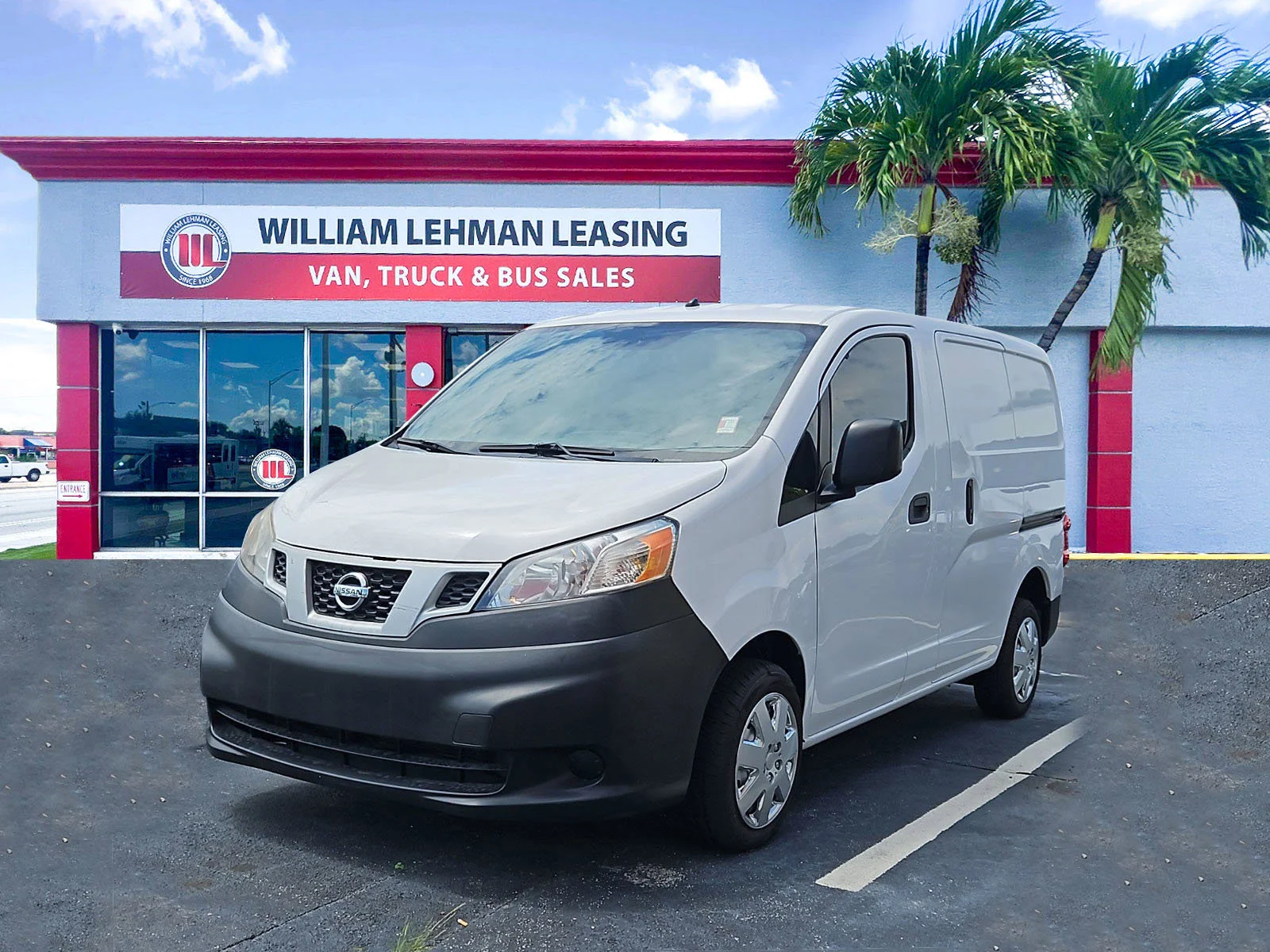
Miami operators can select from multiple lease structures to match their operations. Options include short‑term leases for seasonal or project work, long‑term leases for steady fleet needs, and lease‑to‑own arrangements for businesses that want a route to ownership. Providers also offer specialty leases for customised vehicles when standard stock does not meet operational requirements.
Working with a leasing provider often begins with a needs assessment: expected routes, average loads, service frequency and desired uptime. Providers that offer vehicle customisation and upfitting can reduce the time between contract signing and productive operation. Clear specifications up front—payload, shelving, refrigeration, telematics compatibility—minimise surprises and make maintenance planning more predictable.
Clarifying the features and commitments of each lease type helps Miami firms choose the structure that fits their operating tempo and cash‑flow goals.
Leasing commercial vehicles reduces initial capital expenditure and often lowers monthly outlays compared with purchasing. Lease payments are typically treated as operating expenses, which can produce tax advantages and simplify budgeting. Leasing also makes it easier to rotate into newer models, giving access to updated safety and efficiency technologies without the burden of remarketing older assets.
For businesses that need to incorporate newer safety or efficiency features quickly, leasing accelerates access to the latest vehicle technology. Regular fleet rotation under lease terms can improve average fuel economy, reduce emissions profiles and simplify compliance with evolving local or regional regulations. The practical result is often lower total operating cost per mile and higher fleet availability.
These financial benefits improve capital efficiency and allow businesses to direct funds toward growth initiatives or operational priorities.
Miami businesses can finance fleet leases through several channels depending on credit profile and strategic needs. Banks commonly provide fixed‑rate financing for firms with established credit. Leasing companies frequently offer in‑house financing and more flexible underwriting for lower credit scores. Startups can access specialised plans that consider future revenue potential rather than solely historic credit performance.
When preparing to apply for financing, gather core documents such as business financial statements, recent bank statements, a simple fleet utilization plan and basic identification. Typical approval timelines vary by lender and underwriting complexity—some in‑house leasing approvals can occur within days, while bank processes may take several weeks. Clear documentation and a concise operational plan help accelerate approvals and secure competitive terms.
| Financing Option | Description | Approval Process |
|---|---|---|
| Traditional Bank Loans | Low-interest loans for qualifying businesses. | Requires solid credit history. |
| In-House Financing | Flexible options offered by leasing companies. | Easier approval for low-rated credits. |
| Special Financing Plans | Tailored for startups or new businesses. | Based on potential rather than credit. |
Comparing these financing routes allows fleet managers to select the option that balances cost, approval likelihood, and cash‑flow impact.
Beyond finance, leasing delivers operational benefits for Miami businesses. Firms gain access to a broad inventory—from light vans to heavy trucks—so they can match vehicle choice to job requirements. Local providers add value through market knowledge and hands‑on support, helping businesses select vehicles and terms that reflect regional demands and regulatory considerations.
Local providers also coordinate service networks, warranty work and scheduled maintenance to reduce downtime. For businesses operating tight delivery windows, a provider with robust local workshops and rapid-response mobile service reduces the likelihood of prolonged out-of-service periods. This practical benefit often outweighs marginal pricing differences between competing suppliers.
Short‑term and long‑term leases address different business objectives. Short‑term agreements prioritise flexibility and are useful for seasonal peaks or short projects. Long‑term leases favour cost predictability and steady operations. Assessing usage patterns and financial strategy will indicate which approach better supports operational efficiency.
Evaluating duration, flexibility and cost implications ensures the chosen lease aligns with operational workload and financial targets.
Decision checklist: estimate average daily mileage and peak demand windows, compare the total monthly cost including maintenance and insurance, confirm allowed customisation or upfitting, and identify end‑of‑term options (renewal, replacement, purchase). A short scoring matrix that weights uptime, monthly cash flow and long‑term replacement risk helps quantify the tradeoffs for each lease length.
Leasing markets supply a broad selection of commercial vehicles to suit varied industries. Common options include delivery vans, medium and heavy trucks for freight, and buses for passenger transport. Specialist assets such as refrigerated units and customised box trucks are available for businesses with specific temperature‑control or cargo requirements.
Selecting the correct vehicle requires matching payload, body type and axle configuration to the intended routes. Urban delivery routes may prioritize compact vans with nimble turning circles, while regional freight routes need higher GVWR trucks and larger fuel tanks. For refrigerated or specialised loads, confirm that the leased unit meets temperature range requirements and has service support for refrigeration systems.
Access to this range enables businesses to select models that meet payload, route and regulatory needs while optimising operational cost.
Leasing supports business objectives in Miami by preserving liquidity and converting capital expenditure into manageable operating costs. It also provides access to newer vehicles with better fuel economy and safety features, which can raise productivity and reduce operating risk.
Leasing avoids large upfront capital expenditure, which preserves working capital for core business activities. Predictable monthly payments simplify budgeting and forecasting, allowing firms to respond to market changes without the financial burden of owned assets.
A detailed comparison of leasing versus purchasing, including total cost of ownership and cash‑flow effects, helps decision‑makers choose the optimal acquisition route.
When preparing a total cost comparison, list expected line items: monthly payment, scheduled maintenance, expected unscheduled repair allowances, insurance, fuel per-mile estimate and end‑of‑term obligations (excess wear or mileage). Compare these recurring and one‑off costs against depreciation, resale value and opportunity cost for purchased vehicles to make an apples‑to‑apples decision.
Leases allow businesses to scale fleets up or down in response to demand without the constraints of ownership. This makes it simpler to add capacity for peak periods and reduce costs during slow months, helping firms remain agile and maintain service levels.
Practical scenarios include tapping short‑term leases for holiday season volume, adding specialist refrigerated units for a short contract, or swapping vehicle classes when a new route requires different payload capabilities. These tactical adjustments reduce the risk and time required to reconfigure a fleet compared with buying and reconfiguring owned vehicles.
Appropriate financing structures make leasing accessible and cost‑effective. By matching financing terms to a company’s cash‑flow profile and growth plans, businesses can secure rates and payment schedules that complement their operational strategy, often with more favourable short‑term terms than outright purchase financing.
Lease customers can choose from fixed‑rate financing to stabilise budgets, seasonal payment plans that align repayments with revenue cycles, and customised startup solutions that account for limited operating history. Each plan is designed to balance affordability with approval criteria.
Reviewing these options allows financial decision‑makers to select the plan that minimises cost while supporting operational needs.
Financing terms materially affect leasing decisions. Strong credit typically secures lower rates and reduced monthly payments, while weaker credit profiles may result in higher costs or alternative in‑house arrangements. Understanding available financing helps firms optimise total lease cost.
Planned maintenance and service agreements maximise uptime and control repair expenses. Leasing providers commonly offer maintenance packages and coordinated service schedules that preserve vehicle condition, reduce unexpected downtime, and prolong asset life.
Maintenance plans vary from basic scheduled servicing to fully managed programs that include parts, labour, preventive inspections and replacement vehicles during major repairs. For fleets with strict delivery commitments, confirm whether the lease provider supplies loaner vehicles or priority service to avoid service gaps that would otherwise harm customer commitments.
Empirical studies show that disciplined fleet management improves availability, cuts downtime and increases cost efficiency, which in turn raises client satisfaction.
Choose providers based on demonstrated industry experience, the breadth of their fleet, service capability and local reputation. Assess how well they support lease structuring, maintenance coordination and replacement planning to ensure the provider can meet operational demands.
When reviewing contracts, focus on service level commitments, response-time guarantees for breakdowns, end‑of‑term inspection standards and any fees for excess wear or mileage. Ask for sample maintenance schedules and client references in similar industries to validate performance. A balanced evaluation of cost, uptime and responsiveness identifies providers that offer real operational value, not just the lowest headline price.
Systematic assessment of these criteria helps Miami businesses select leasing partners that deliver reliable service and value.
Local providers understand regional demand patterns, regulatory requirements and route conditions. That market knowledge enables tailored recommendations, faster support and practical advice on vehicle selection and service networks.
Common questions focus on practical comparisons between leasing and buying, typical contract terms, and how leasing affects operations and costs. Clear answers to these issues help managers choose the right approach for their fleets.
Commercial leases commonly specify duration, mileage limits and return condition standards. Typical terms run from 24 to 60 months, with annual mileage allowances often between 10,000 and 20,000 miles, and clauses covering excess wear and tear at return.
Knowing these standard terms is essential for budgeting and avoiding unexpected end‑of‑lease charges.
Leasing shifts ownership responsibilities and capital outlay away from the balance sheet, offering greater cash‑flow flexibility and predictable operating costs. Purchasing can deliver long‑term asset value, but requires larger upfront investment and ongoing resale risk. The right choice depends on an organisation’s capital strategy and operational needs.
Trends such as a shift to lower‑emission vehicles, electrification, and demand for shared mobility are reshaping fleet offerings and customer preferences. Staying informed about these trends allows businesses to align fleet strategy with regulatory and market developments.
For businesses planning a transition to lower‑emission or electrified fleets, pilot programs and phased rollouts reduce operational risk. Evaluate local charging infrastructure, depot-level charging plans and expected vehicle range under typical route conditions before committing to all‑electric replacements. Hybrid or alternative-fuel options can be transitional steps while infrastructure expands.
William Lehman Van Truck and Bus Sales supports fleet leasing with a wide vehicle selection and finance options tailored to local businesses. Their local presence and experience help clients navigate leasing terms, maintenance planning and replacement cycles to match operational requirements.
Their offering typically includes assistance with matching vehicle specs to route and payload needs, and coordination with finance partners to identify appropriate payment structures. Local sales and support presence can shorten lead times for delivery and ensure quicker access to parts and service networks when issues arise.
Businesses should review provider experience, fleet variety, service offerings and pricing structure. Verify local market knowledge and check customer feedback to confirm reliability and alignment with operational goals.
Seasonal demand affects fleet sizing and payment structures. Short‑term leases can cover peak periods without long‑term commitment, while long‑term leases provide steady costs during off‑peak months. Matching lease type to seasonal patterns reduces cost and improves utilisation.
Yes. Mileage allowances, payment schedules and maintenance responsibilities are commonly negotiable. Presenting clear usage forecasts and budget constraints helps secure terms that reflect actual operational needs.
Maintenance preserves uptime and reduces lifecycle cost. Many providers offer maintenance packages that include scheduled servicing and repairs. Proactive maintenance planning limits downtime, lowers unexpected expenses and keeps leased vehicles in contract‑compliant condition.
Fleet software and telematics provide real‑time data on vehicle location, performance and maintenance status. These tools enable better routing, preventive servicing and fuel management, helping managers make data‑driven leasing and operational decisions.
Environmental factors are increasingly relevant. Leasing providers may offer low‑emission and fuel‑efficient models that reduce operating costs and support corporate sustainability targets. Selecting greener vehicles can also aid regulatory compliance and enhance public reputation.
