Key Takeaways
- Thorough exterior, interior, and mechanical inspections are essential when evaluating used high-roof commercial vans.
- Inspecting dents, rust, roof integrity, and lighting ensures the van's structural and safety conditions.
- Evaluating engine performance, brakes, and transmission helps determine the vehicle's reliability and safety.
- Reviewing maintenance history, ownership records, and open recalls provides insight into the van's past and future costs.
- Technical features like navigation, safety technologies, and connectivity enhance driver experience and safety.
- Exploring financing options such as loans, leasing, and dealer financing helps buyers choose suitable payment methods.
- Verifying regulatory compliance, safety inspections, and documentation ensures lawful and safe vehicle ownership.
- First-time buyers should research vehicle history, conduct test drives, and understand insurance requirements.
- Awareness of industry trends like safety technology and environmental regulations supports informed purchasing decisions.
High-Roof Van Inspection Guide for Buyers
An inspection evaluates a van’s condition against your business needs. A thorough check reduces risk by identifying issues that affect safety, performance, and operating costs. This guide breaks the inspection into clear steps from exterior review to mechanical testing.
Use the checklist as a structured workflow: begin with a slow walk-around, move to interior checks and systems tests, then finish with a test drive and document review. Taking photos and noting VINs, service stickers, and visible repairs during the inspection will help later negotiation and record-keeping.
1. Used Commercial Van Evaluation Checklist:
Exterior Inspection:
The exterior check reveals structural issues and potential repair costs. Key items to examine are dents and corrosion, roof condition for leaks, and the functionality of all lights and windows.
- Dents and Rust: Evaluate for any visible damage that might compromise the integrity of the van. Pay special attention to wheel arches, door edges, and the lower body where road debris collects.
- Roof Integrity: Inspect the roof for any damage or weak points that may lead to leaks. For high-roof vans, seams and roof-mounted equipment (racks, vents) are common leak sources; probe seals and window gaskets.
- Visibility and Lighting: Ensure that all lights are functional, and that visibility through the window is unobstructed. Test headlights, brake lights, turn signals, marker lamps, and any exterior work lights or auxiliary lighting.
This visual assessment flags issues that may need a mechanic’s attention. If you find corrosion at structural points or evidence of frame damage, obtain a professional structural assessment before purchase. Note paint overspray or uneven panel gaps that may indicate prior bodywork.
Interior Inspection:
Interior checks focus on usability and safety. Inspect seat condition, verify dashboard controls and climate systems work, and confirm cargo access and layout suit your operations.
- Condition of Seats: Inspect for wear and tear, and ensure the seating is comfortable and clean. Check seat adjustment mechanisms and look for repairs or aftermarket seat swaps that could affect ergonomics.
- Dashboard Functionality: Check that all controls and displays function properly, including air conditioning and heating. Confirm instrument cluster accuracy and that warning lights clear after engine start.
- Cargo Space Accessibility: Examine how accessible the cargo area is, as this is crucial for operational efficiency. Measure doorway height/width if a specific payload fits, and check tie-downs, shelving, or bulkhead condition.
A tidy, functional interior improves driver comfort and reduces downtime. Cross-check interior findings with mechanical condition for a full picture. If the van has been upfitted, verify installation quality and whether modifications are reversible or documented.
Mechanical Components:
Mechanical checks confirm reliability. Prioritise engine start-up and leak inspections, brake responsiveness, and smooth transmission shifts during a test drive.
- Engine Condition: Ensure the engine starts smoothly and check for any leaks or irregular sounds. Listen for knocking, ticking, or irregular idle; these can point to maintenance needs.
- Brake Functionality: Test brake responsiveness to ensure safety during operation. Check pedal feel, listen for scraping or grinding, and inspect visible pad and rotor condition.
- Transmission Performance: Check for smooth shifting across all gears. For automatic transmissions, watch for hesitations or hard shifts; for manuals, test clutch engagement and gear synchronicity.
Mechanical issues affect operating costs and resale value. Use inspection findings to negotiate repairs or price adjustments if needed. If possible, obtain a compression test or diagnostic scan to detect hidden engine or electronic issues.
Technical Features:
Technical systems add operational value and safety. Confirm navigation units, driver-assist safety systems, and in-cab connectivity are present and functioning.
- Navigation Systems: Ensure the presence and functionality of onboard GPS or navigational aids. If systems are outdated, consider whether updates are available or if a smartphone mount is sufficient.
- Safety Technology: Check for advanced safety technologies, such as backup cameras and collision detection systems. Verify sensor housings are intact and that cameras provide clear, stable images.
- Connectivity Options: Evaluate for Bluetooth and USB ports that enhance convenience and safety while driving. Confirm hands-free calling and audio streaming operate reliably.
Documenting these features helps justify price and ensures the van meets your operational standards. Confirm compatibility with any fleet management or telematics platforms you use, and ask the seller about licensing or subscription requirements for certain systems.
2. Key Evaluation Criteria:
Three records are essential: maintenance history to show past repairs, ownership records to indicate usage patterns, and any open recalls or active warranties that affect future costs.
- Maintenance History: Documentation reflecting the vehicle's maintenance and service records can uncover past issues and repairs. Regular oil changes, timing belt or chain replacements, and documented major services increase confidence.
- Ownership Records: Assessing the history of ownership can provide insight into how the van has been treated over its lifespan. Single-owner fleet vans typically show consistent maintenance compared to multiple private owners.
- Open Recalls or Warranties: It is essential to verify if there are any open recalls or remaining warranties, indicating potential future costs. Some warranties are transferable—confirm details in writing.
These records influence projected operating expenses, resale value, and lender confidence. If records are sparse, be cautious and consider a deeper mechanical inspection or lean toward a lower offer to cover unknown risks.
3. Financing Options:
Financing choices affect cash flow and ownership cost. Common options include bank loans, leases, and dealer finance packages tailored to commercial buyers.
- Traditional Loans: Banks and credit unions offer loans with varying terms based on creditworthiness. Compare APR, term lengths, and early repayment penalties to choose the most cost-effective offer.
- Leasing Agreements: Leasing can provide lower monthly payments and options for upgrading to newer models. Evaluate mileage limits, maintenance obligations, and end-of-lease charges when considering this option.
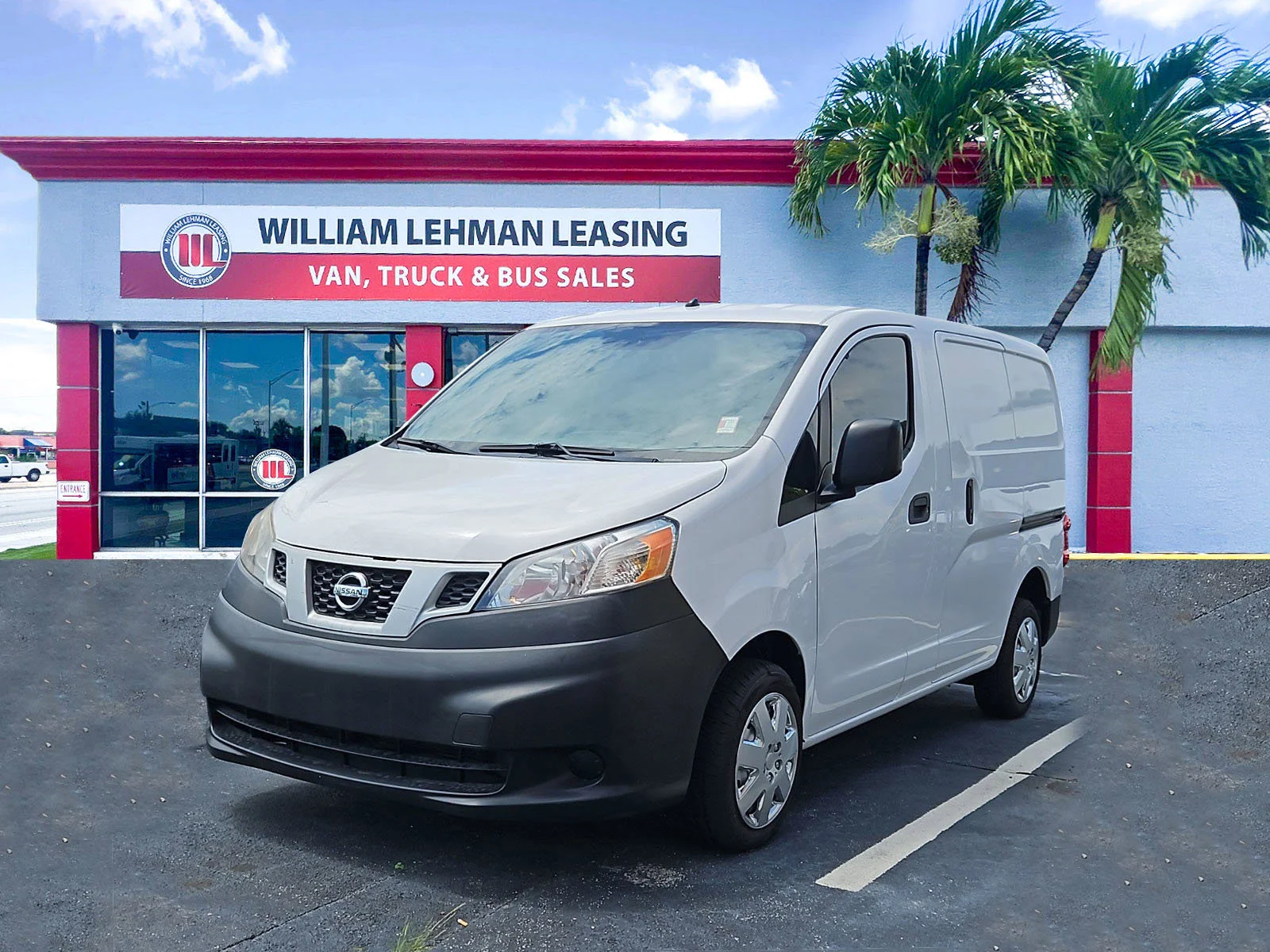
- Dealer Financing: Many dealers, such as William Lehman Van, Truck, and Bus Sales, offer tailored financing options aimed at accommodating different consumer needs. Dealer packages sometimes bundle warranties or service plans—assess the true total cost.
Each option has advantages and trade-offs; evaluate total cost, tax implications, and flexibility against your business needs. For small fleets, aligning repayment schedules with cash flow and projected revenue from the vehicle improves financial health.
4. Important Purchasing Tips:
Before buying, schedule multiple inspections, including one by an independent mechanic. Seek professional advice when needed, and clarify warranty coverage to limit future repair costs.
- Conduct Thorough Inspections: Schedule several inspections, including those by independent mechanics to ensure compliance and functionality. Stagger inspections (initial walk-around, mechanic check, and post-test drive review) to catch issues at different stages.
- Seek Professional Opinions: Don’t hesitate to ask for expert advice, especially if unfamiliar with commercial vehicles. A qualified inspector can provide a written report that strengthens your negotiating position.
- Understand Warranty Options: Knowing the details of any warranties can save money on future repairs. Clarify what parts and labor are covered and whether coverage extends to aftermarket modifications.
Following these steps reduces risk and increases confidence during the purchase process. When negotiating, present a prioritized list of discovered issues and estimated repair costs to seek a fair price adjustment or seller-funded repair.
What Are the Essential Mechanical Inspection Steps for High-Roof Vans?
Key mechanical checks include verifying fluid levels for engine oil, coolant, and brakes; inspecting the exhaust for corrosion or damage; and testing the battery for charge and corrosion.
- Checking Fluid Levels: Ensure that engine oil, coolant, and brake fluid are within specified limits. Note fluid color and smell for signs of contamination—burnt oil or milky coolant can indicate deeper problems.
- Examining the Exhaust System: Look for signs of rust or damage that could jeopardize safety. Small holes, loose clamps, or damaged hangers can cause noise and emissions failures.
- Testing Battery Power: Ensure the battery holds a charge and is free from corrosion. Check terminal tightness and look for battery replacement stickers indicating age.
These checks indicate immediate reliability and identify items that may require near-term maintenance. If possible, request a recent state or local emissions/inspection test report to verify compliance.
Which Exterior and Interior Features Should Be Included in a High-Roof Van Inspection?
Inspect exterior items such as window condition, panel seals, and paint, and interior elements like door operation, insulation, and driver seat comfort to assess daily usability.
- Exterior Features: Condition of windows, panel seals, and exterior paint. Evaluate sliding door tracks and seals for smooth operation and weather resistance.
- Interior Features: Functionality of doors, insulation quality, and comfort of the driving seat. Check interior lighting, dome lights, and any installed shelving or partitions for secure mounting.
A complete assessment identifies repairs that affect uptime and total cost of ownership. Consider the cost of common interior fixes (seal replacement, insulation repair, or simple upholstery work) when pricing the vehicle.
How to Assess Engine Performance and Condition
Check for visible leaks under the vehicle and around the engine, listen for smooth start-up without excessive noise, and confirm routine maintenance has been performed using service records.
- Inspect for Leaks: Check underneath the vehicle and around the engine compartment for any fluids. Trace leaks to their source—gaskets, hoses, or seals—rather than assuming superficial drip stains are benign.
- Review Engine Start-Up: A well-functioning engine should start without issue or excessive noise. Observe idle stability and watch for smoke on start-up; blue smoke can indicate oil burning, while white smoke can indicate coolant issues.
- Look at Maintenance Records: Ensure routine maintenance has been consistently performed. Cross-reference service dates with mileage to verify timely oil changes, filter replacements, and major service intervals.
Consistent maintenance and a clean start-up profile support longer service life and lower unexpected repair costs. If in doubt, budget for a diagnostic check and potential preventive maintenance after purchase.
What to Check for Brake System and Tire Condition
Inspect brake pads and rotors for wear, measure tire tread depth, and review alignment and balance to detect uneven wear that signals suspension or alignment issues.
- Brake Pads and Rotors: Inspect for wear and ensure they meet safety standards. Look for scoring on rotors or uneven pad wear that suggests caliper issues.
- Tire Tread Depth: Tire tread should be sufficient to provide proper traction. Check for sidewall damage and confirm that tires are the correct load rating for the vehicle’s intended use.
- Alignment and Balance: Uneven wear can indicate misalignment or balance issues. A quick road test at low speed will reveal steering pull or vibration that signals alignment needs.
These items affect safety and short-term maintenance needs; document any deficiencies for negotiation. When budgeting, include the potential cost of tire replacement and brake service if wear is near service limits.
Which Safety and Compliance Checks Must Buyers Perform on High-Roof Vans?
Confirm the presence of road safety equipment, check emissions compliance with local rules, and ensure inspection stickers and documentation are current.
- Road Safety Equipment: Ensure items like first-aid kits and fire extinguishers are present. Verify that required reflective triangles, spare fuses, and other mandated items are included for commercial operation.
- Emissions Testing Compliance: Verify that the van adheres to local emissions regulations. Some regions have stricter standards for commercial vehicles—confirm recent test results where applicable.
- Inspection Stickers: Confirm that inspection stickers are current and documents are in order. Cross-check registration, title information, and any fleet decals that may indicate commercial use restrictions.
Meeting these requirements prevents legal issues and ensures the vehicle can be used in-service without interruption. If the van will operate in low-emission zones or cross jurisdictions, verify multi-jurisdiction compliance.
How to Verify Regulatory Compliance and Safety Inspection Requirements
Review state and local regulations that apply to commercial vehicles, check the van’s inspection history, and confirm registration is valid and transferable.
- Review State Regulations: Familiarize yourself with local compliance laws for commercial vehicles. Requirements can differ by weight class, emissions category, and commercial use.
- Verify Inspection History: Make sure the van has passed all mandatory safety inspections. Ask for inspection reports that show what was checked and any corrective work completed.
- Check for Registration: Ensure that the vehicle is properly registered. Confirm that license plates, registration transfer rules, and any special commercial endorsements are valid.
Keeping these items current supports lawful operation and protects your business from fines or downtime. Retain copies of all documentation in your fleet records after purchase.
What Are High-Roof Van Safety Features to Inspect Before Purchase?
Verify airbags, test antilock braking (ABS) function, and confirm traction control systems operate correctly to ensure basic occupant protection and vehicle stability.
- Airbags: Ensure sufficient airbags are installed to protect passengers. Look for warning lights that remain on after start-up—these often indicate airbag faults.
- Antilock Braking Systems (ABS): Check for effective ABS activation. A diagnostic scan can reveal stored ABS error codes even if the system appears to function intermittently.
- Traction Control Systems: Evaluate the functionality of traction control measures that improve road handling. Test on a low-speed surface where traction control engagement can be observed safely.
Knowing which safety systems work reduces liability and supports safer operations for drivers and cargo. Request any recall history regarding safety systems and confirm completion of remedial work.
What Are the Top Tips for First-Time Buyers Inspecting Used High-Roof Vans?
First-time buyers should obtain a vehicle history report using the VIN, take a thorough test drive, and confirm commercial insurance requirements before purchase.
- Research Vehicle History: Use VIN checks to ascertain background information. Review accident reports, title brands, and odometer discrepancies to gauge risk.
- Take a Test Drive: Experience firsthand how the van handles under driving conditions. Include varied speeds, highway stretches, and local roads to sample steering, braking, and vibration.
- Understand Insurance Requirements: Familiarize yourself with any specific insurance needs for commercial vehicles. Commercial policies often differ in coverage, limits, and premium calculation from personal policies.
These steps reduce uncertainty and help ensure the van suits your business needs. If you plan fit-outs (racking, refrigeration, or other equipment), confirm how upgrades will affect insurance and warranty coverage.
How Does Vehicle History and Documentation Impact the Inspection and Purchase Decision?
Vehicle history affects risk and valuation. Review accident records, service logs, and previous ownership to identify hidden damage, recurring issues, or heavy commercial use.
- Accident Records: Review past accidents that could affect the vehicle's integrity. Photos and detailed repair invoices help determine if repairs were structural or cosmetic.
- Maintenance Documentation: Check records for scheduled maintenance and repairs. A well-documented service history usually indicates conscientious ownership and can extend confidence in future reliability.
- Previous Ownership: A clear understanding of the van's history can reveal potential red flags. Fleet-owned vans may have higher mileage but consistent maintenance; private-owner vans may have different usage patterns.
Complete records increase buyer confidence and reduce unforeseen repair costs after purchase. When records are incomplete, factor a conservative contingency into your offer for potential deferred maintenance.
What Documents Must Buyers Review for Used High-Roof Vans?
Essential documents include a clear title, detailed service records, and any warranty paperwork that applies to remaining coverage or transferable protections.
- Title Records: Ensure the title is clear and transferable. Check for salvage, rebuild, or lien notations that may complicate transfer or future resale.
- Service Records: Documentation of past services can provide insights into potential future issues. Compare service dates with mileage to ensure intervals were maintained.
- Warranty Information: Familiarity with any existing warranties assists in risk management. Confirm which components are covered and whether coverage is limited to certain owners or regions.
Verifying these documents helps prevent legal issues and informs total cost projections. Keep certified copies as part of your purchase file; they simplify resale and lender reviews later.
How Does Transparent Vehicle History Influence Financing and Resale Value?
A transparent history improves lender and insurer confidence, supports higher resale prices, and can secure more favorable financing terms.
- Accurate Disclosure: Ensures lenders and insurers regard the vehicle positively. Full disclosure avoids surprises during underwriting and reduces the chance of declined coverage or loan terms.
- Higher Resale Prices: Vehicles with verified histories can fetch higher sell prices. Buyers value documented maintenance and clear titles when comparing similar listings.
- Improved Financing Terms: Clear history can attract better financing offers. Lenders reduce perceived risk when records show regular maintenance and few incidents.
Clear documentation builds trust in the transaction and can lower ownership costs over time. Present a complete record package when negotiating with lenders or brokers to improve outcomes.
What Are the Industry Trends Affecting High-Roof Van Inspections and Buyer Requirements?
Key trends are stronger emphasis on driver-assist safety systems, tighter emissions standards, and more flexible financing and leasing solutions that change acquisition strategies.
- Increased Focus on Safety Technologies: Modern vans are now expected to include advanced safety and driver assistance technologies. Buyers may prefer vehicles with factory-integrated systems for long-term reliability.
- Stringent Environmental Regulations: Buyers are now more concerned about compliance with evolving emissions standards. Consider future regional restrictions when selecting older diesel vans.
- Shift in Financing Options: The integration of flexible leasing and financing options is changing how buyers approach vehicle acquisition. Newer programs often include maintenance or telematics bundles tailored to small fleets.
Awareness of these trends helps you select a van that meets regulatory and operational expectations, now and as standards evolve. Factor anticipated regulatory changes into medium-term fleet planning to avoid retrofitting costs.
Frequently Asked Questions
What Should I Focus on During a Test Drive of a High-Roof Van?
On a test drive, assess handling, engine response, braking, and steering feedback. Listen for unusual noises from the engine or suspension, check dashboard warnings, and confirm climate and infotainment systems operate while driving.
During the drive, try to replicate typical loaded and unloaded conditions if possible: a short run with cargo in the rear, and an unloaded stretch to compare handling differences. Note vibrations, pulls, or delayed throttle response and record the exact conditions when you encounter them.
Are There Specific Indicators of a High-Roof Van's Previous Usage?
Yes. Look for heavy wear on the driver’s seat, floor mats, and steering wheel, mismatches between mileage and service records, and cargo-area scratches or dents that indicate commercial use.
Also inspect for aftermarket fit-outs that suggest specialized use (delivery racks, refrigeration mounts, ladder racks). These can be positive if well-installed, but may limit resale appeal or require removal.
What Are Common Hidden Issues in High-Roof Vans?
Hidden problems often include rust in the undercarriage or roof seams, intermittent electrical faults in lights or windows, and leaks in the engine or transmission—especially if service records are incomplete.
To uncover these, use a flashlight to inspect seams and underbody areas, test all electrical accessories multiple times, and request a diagnostic scan when available. A pre-purchase inspection by a certified mechanic significantly reduces the chance of overlooking hidden faults.
How Can I Ensure I Get a Good Deal on a Used High-Roof Van?
Research market prices, obtain an independent mechanical inspection, and use any issues found to negotiate. Review recent repairs and factor expected maintenance into your offer.
Present a clear, itemised estimate of required repairs when negotiating and be ready to walk away if the seller won’t address critical safety issues. Consider including conditions in the purchase contract for seller-performed repairs or a reduction in price.
What Impact Do Upgrades and Modifications Have on a Van's Value?
Functional upgrades like improved safety equipment or cargo systems can increase value. Conversely, custom modifications that limit resale appeal or void warranties may reduce value. Keep modifications practical and well-documented.
Document every modification with invoices and installation details. Professionally performed, reversible upgrades that improve operational efficiency usually have the best resale outcomes.
What Are the Best Practices for Maintaining a High-Roof Van After Purchase?
Follow the manufacturer’s service schedule for oil, fluids, brakes, and tire rotations. Maintain correct tire pressure, wash the vehicle to prevent corrosion, especially in winter, and keep organised service records.
Set a preventive maintenance calendar aligned with mileage milestones and use telematics or mileage logs to prompt scheduled services. This reduces unexpected downtime and preserves the vehicle’s resale value.
How Do I Verify a Van's Safety Features Are Functional?
Test each safety system: confirm airbags and seatbelts are intact, verify lights and signals, and operate driver-assist features like backup cameras during the test drive. Request any recall or repair history from the seller for full assurance.
If any warning lights remain illuminated, obtain a diagnostic readout before completing the purchase. For vehicles with advanced driver-assist systems, ask for a demonstration of adaptive features and verify software or firmware update records if available.