By William Lehman, William Lehman Leasing. Evaluating a used Ford Transit requires a structured approach that balances reliability, condition and cost. This guide outlines the steps to inspect mechanical systems, bodywork and interior, and explains how model differences and service history affect value. Follow these checks to reduce risk and make a commercially sound purchase.
Before you commit, conduct a methodical inspection to confirm the vehicle’s condition and estimate future costs. Check the exterior for structural damage, verify mechanical components for wear, and assess the interior for functionality and suitability. Comparing model features and reliability data will help you select the Transit that fits your operational needs and budget.
Prepare for inspections by bringing basic tools and information: a checklist, the vehicle identification number (VIN) for history checks, a camera or phone to document issues, and a torch for underbody inspection. If possible, arrange for a trusted mechanic to accompany you or to perform an independent pre-purchase inspection.
A structured inspection checklist exposes hidden issues and quantifies repair risk. Focus on exterior, interior and mechanical systems, and document any discrepancies you find.
Use this checklist to form a clear view of current condition and to estimate maintenance needs and costs.
When you document findings, prioritise safety and structural issues first, then driveline and electrical faults, and finally cosmetic or accessory repairs. Create a simple scoring system (for example: good, fair, poor) to compare multiple vehicles objectively.
The engine and transmission determine a Transit’s operational reliability and running costs. Inspect oil condition and level, check coolant for contamination or leaks, and look for visible signs of neglect that could lead to major repairs.
Test-driving the vehicle is essential: the transmission should shift without delays, clunks or grinding. Review maintenance records for past engine or transmission work to better predict future service requirements.
During the test drive note how the engine behaves at idle, under steady throttle and when accelerating from low speed. Watch for abnormal smoke (colour and persistence), erratic idle, or hesitation under load. When stationary, listen for turbocharger surge or whine on boost and check for oil in the intake or intercooler piping which can indicate leaks or turbo wear.
Cold-start behaviour can be revealing: excessive cranking, heavy white smoke, or a rough initial idle often highlight issues that should be investigated before purchase. Ask the seller about recent oil or filter changes and confirm any transmission service history, including fluid change intervals.
One crucial area of the engine system to pay close attention to is the air supply, as issues here can significantly impact performance.
Exterior evaluation should prioritise body integrity, corrosion and the condition of windows, mirrors and lighting. Any repair evidence or rust can indicate future expenses.
Inside, inspect cargo flooring and walls for heavy-use damage and confirm that dashboard controls, heating and air conditioning operate correctly. For commercial buyers, measure cargo space and note any modifications that affect payload or layout.
Also inspect the underbody, wheel arches and chassis rails for corrosion or weld repairs, and check tyre condition and wear pattern for signs of misalignment or suspension wear. Confirm that any added fittings, shelving or electrics have been installed professionally and do not compromise structural fixings.
Model-year changes influence safety, fuel economy and technology levels. Later models often include improved powertrains, driver-assist systems and better efficiency—factors that reduce operating costs and improve resale value.
Compare year-to-year updates against your operational needs. Paying more for a later model can be justified if the improvements lower fuel and maintenance expenses over time.
When comparing model years, focus on the features that matter most to your operation: payload and body configurations, availability of modern driver aids that reduce accident risk, and known service upgrades or common fault corrections introduced by the manufacturer.
Recent Transit models generally show stronger reliability ratings and more advanced features, such as updated infotainment and safety systems. These upgrades can improve driver comfort and reduce risk of costly incidents.
Consult independent reviews and reliability data to confirm how specific models performed in service. This evidence will support a fact-based purchase decision.
For fleet buyers, consider the availability of parts and local service expertise for particular model ranges; easier access to parts and trained technicians reduces downtime and total cost of ownership.
Certain model years strike a better balance of cost and capability for commercial use. Models from around 2014 onward commonly offer improved reliability and updated features that benefit business operators.
Older models can deliver savings if well maintained, but verify they meet your payload, safety and operating-cost requirements before accepting a lower price.
When assessing value, compare expected remaining life of high-wear items (brakes, clutch, suspension) and consider whether planned refurbishment or upfit costs offset any purchase savings on older examples.
Financing choices include bank loans, credit-union lending and dealer finance plans, each with different rates, terms and qualification criteria. Compare offers to identify the overall cost across the loan term.
Leasing can lower monthly outlay and improve cash flow, which suits businesses that prioritise short-term use or regular vehicle turnover. Evaluate lease terms for mileage limits and end-of-term costs.
Commercial finance products can include hire-purchase, conditional-sale or lease arrangements. Understand whether offers include balloon payments, residual value assumptions or maintenance bundles, and ensure total repayments match your cash flow profile.
Your decision should reflect ownership goals and cash-flow needs. Buying gives long-term asset control and potential resale value; leasing offers predictable payments and easier upgrades.
Calculate total cost of ownership versus leasing costs, factoring in maintenance, taxes, insurance and depreciation to determine which option aligns with your financial plan.
Commercial buyers should understand terms that affect overall cost: interest rate, repayment term, required down payment and any fees. Accurate budgeting reduces the risk of unexpected expenses.
Use these considerations to secure a finance package that supports your cash flow and reduces long-term cost.
Maintenance records are a primary indicator of vehicle care. Look for consistent service intervals and documentation of major repairs to assess likely future reliability.
Key items to verify include regular oil and filter changes, any timing-belt or gearbox work, and evidence that recommended services were completed on schedule. A clean, consistent service history typically reduces risk.
If service records are incomplete, request invoices or contact named garages listed on the documents to confirm work. Digital service logs and stamped service books are strong indicators of a properly maintained vehicle.
Request complete maintenance logs, accident and repair records, and evidence that recalls were addressed. These documents clarify past issues and outstanding obligations.
Having complete documentation supports negotiation and reduces the likelihood of unexpected repairs after purchase.
Regular servicing prevents small faults from becoming major failures and is the most reliable predictor of long-term performance. Vehicles with documented, proactive maintenance tend to deliver lower operating costs.
Neglect accelerates wear on driveline, suspension and brakes. Prioritise vehicles with a history of preventive maintenance to protect your investment.
Look for patterns in repairs: repeated work on the same system can signal chronic faults. A vehicle with occasional, single-instance repairs is often a safer bet than one with recurring, similar faults.
Trusted dealerships provide certified stock, documented histories and after-sales support, which reduce transaction risk and simplify fleet acquisition.
Online marketplaces widen selection but require careful vetting: verify seller credibility, request full service records and inspect vehicles in person before committing.
Auctions and fleet sales can offer competitive prices, but usually require more due diligence and may offer limited after-sales support. Balance lower purchase cost against the extra inspection and refurbishment needed after acquisition.
Assess dealer reputation through reviews, ratings and transparency in pricing and vehicle history. Reliable sellers provide clear documentation and reasonable return or warranty terms.
Work with sellers who demonstrate openness and offer support during and after the sale to minimise risk and protect resale value.
Ask specific questions before purchase: request the VIN, enquire how long the vehicle has been in stock, and whether any post-sale servicing or warranties are available. Clear answers to these practical questions reflect a professional seller.
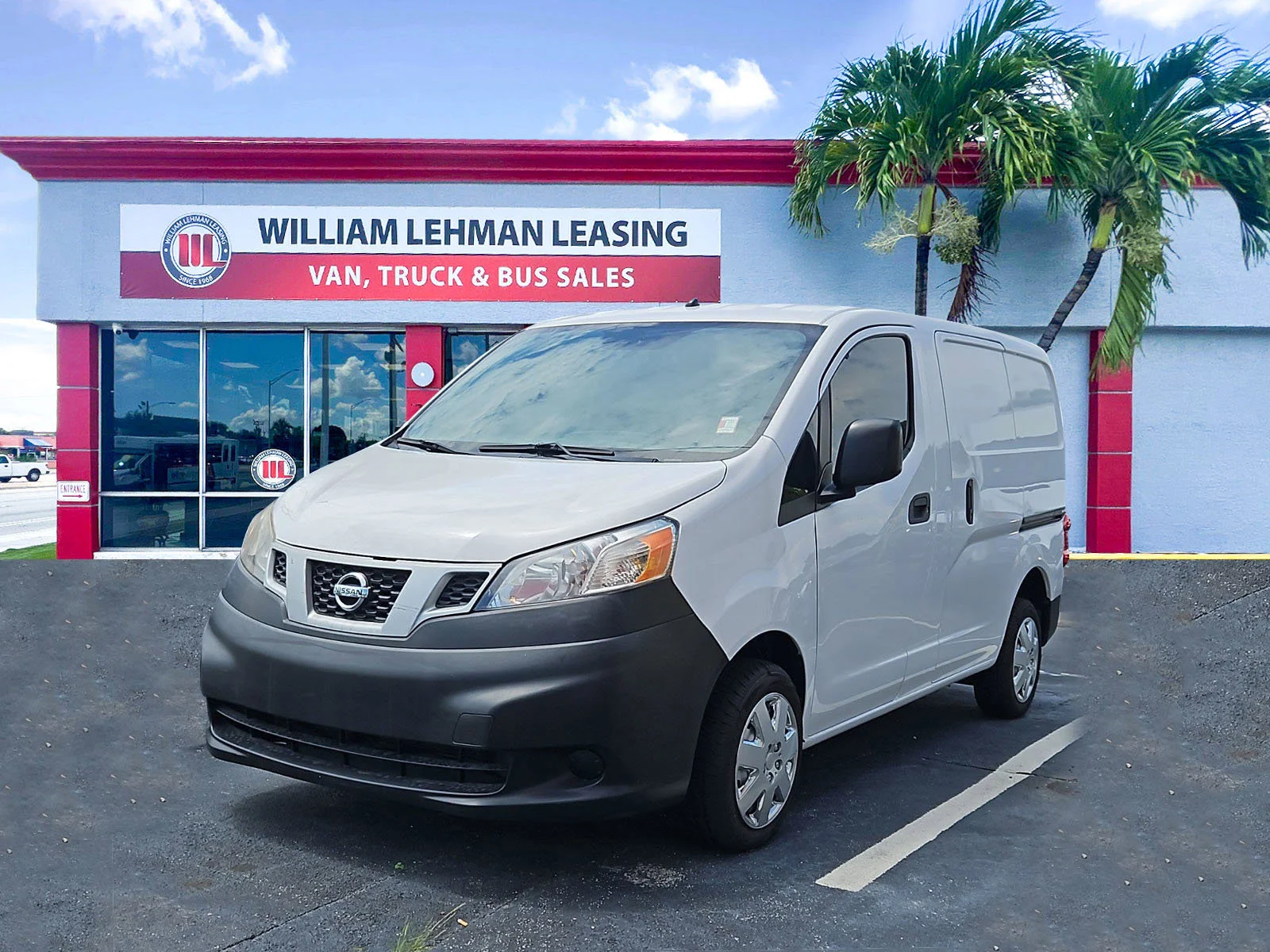
William Lehman Van, Truck, and Bus Sales offers a broad inventory that suits commercial needs, backed by sales staff experienced in matching vehicles to business requirements.
The combination of selection, customer support and targeted financing makes William Lehman a practical option for businesses buying a used Ford Transit.
Many buyers also value dealer services such as structured trade-in options, vehicle preparation and local parts or service departments that can simplify ongoing fleet maintenance. Confirm specific after-sales support during the negotiation phase.
Prospective buyers typically ask what to prioritise in inspections, how to verify service history and which financing routes to consider. Clear answers to these points streamline decision-making.
Address these questions before negotiating to reduce uncertainty and support a data-driven purchase.
Focus inspections on engine performance, transmission behaviour and the body structure. These areas most influence reliability and repair costs.
Covering these checks will help you avoid vehicles with hidden faults and make a purchase that stands up to commercial use.
Fuel economy varies by engine, year and configuration. Newer models generally perform better thanks to improved engine design. Check published fuel ratings for the specific engine and factor in typical load and route conditions when estimating running costs.
Estimate real-world fuel use by considering your typical payload, stop-start patterns and average route speed. If possible, ask the seller for recent fuel receipts or fuel-card data to verify claimed consumption for similar duties.
Prioritise core safety systems such as anti-lock brakes, stability control and airbags. Later model years may include driver-assist features like blind-spot monitoring, lane-departure warning and rear cameras—options that reduce incident risk and may lower insurance costs.
Ensure basic safety items (seatbelts, airbags) show no signs of tampering and that any advanced systems are functioning as intended. Test cameras and sensors during the walk-round and on a slow test drive.
Negotiate from a position of facts: use market-value tools, cite inspection findings and reference comparable listings. Be prepared to walk away if the numbers do not match your risk tolerance and budget.
Document any faults and estimate repair costs so you can present a clear case for a discount. If the seller resists, asking for a short-term warranty or a contribution toward a known repair can bridge the gap.
Older Transits can show transmission wear, corrosion and sporadic electrical faults. Review service history for recurring repairs and have a mechanic inspect suspension, brakes and structural integrity before purchase.
Check for patch repairs to floors or body panels and confirm any additional payload adaptations were installed to a recognised standard. These visible signs often point to a vehicle’s prior duty cycle and future maintenance needs.
Cargo volume and payload depend on wheelbase, roof height and body type. Verify the specification sheet for the exact model and confirm it meets your load and equipment needs before committing.
For specialist conversions or upfits, check the safe load distribution and securing points. In commercial operation, correctly fitted tie-downs and load restraints reduce damage to both the vehicle and carried goods.
A vehicle history report reveals prior ownership, accident records and title status. This information helps identify rebuilt, salvaged or repeatedly repaired vehicles that could carry higher long-term costs.
Use the VIN to obtain a report and reconcile its details with the seller’s documentation. Differences between the report and seller claims should be clarified and resolved before purchase.
A warranty reduces exposure to major repair bills by covering significant components such as the drivetrain. Review coverage details, exclusions and duration to decide if the warranty provides value given the vehicle’s age and condition.
Where possible, prefer warranties that include roadside assistance and clear claim processes. For fleet buyers, negotiated multi-vehicle warranty terms can offer better cost predictability.
