
By William Lehman, William Lehman Leasing. This guide helps shuttle operators choose and acquire passenger vans that meet operational needs. It covers available models, comparisons of leasing versus buying, and financing alternatives. Whether you are starting a service or updating a fleet, the guide clarifies specifications, maintenance priorities, and strategies to improve operational efficiency.
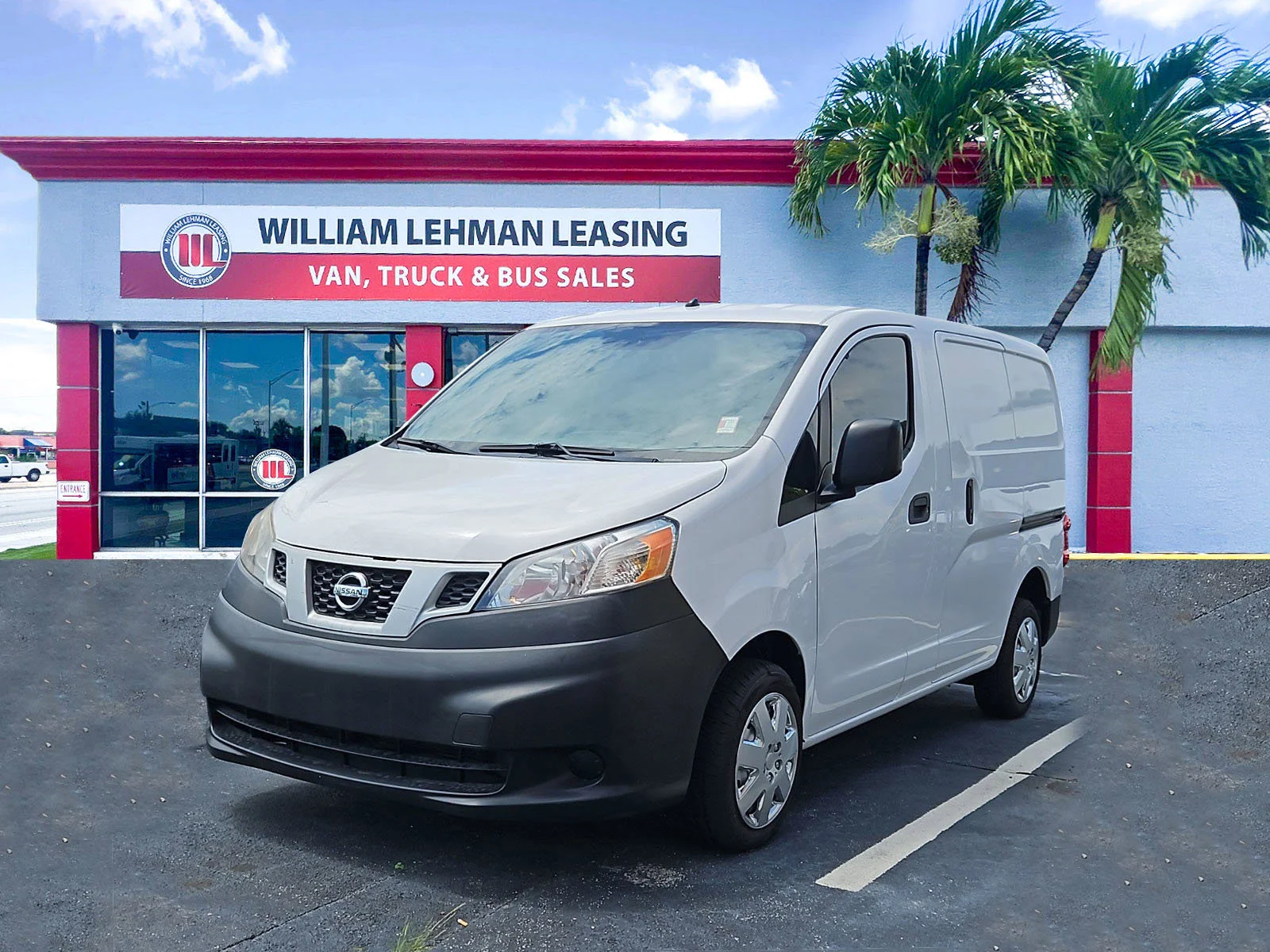
Shuttle operators can select from several established commercial passenger van models depending on capacity and use case. The Chevrolet Express is noted for its roomy interior and dependability. The Ford Transit offers multiple trim levels and configurations to match different passenger layouts. The Freightliner Sprinter is valued for its versatility and seating capacity, while the RAM ProMaster provides strong cargo space and adaptability for mixed passenger and luggage needs.
The table below lists common models and their typical capacities and features to aid side-by-side comparison.
| Van Model | Seating Capacity | Notable Features |
|---|---|---|
| Chevrolet Express | Up to 15 | Spacious interior, good for larger groups |
| Ford Transit | Up to 15 | Multiple configurations and trim levels |
| RAM ProMaster | Up to 12 | Excellent cargo space, adaptable for various uses |
| Freightliner Sprinter | Up to 15 | Good for heavy loads, versatile for different roles |
Reviewing these options by seating, cargo space, and reliability helps operators match a van to typical routes and passenger profiles.
When comparing models, focus on how seating layout affects passenger flow and luggage handling rather than just headline capacity. Consider aisle width, door placement, and seat spacing for passenger comfort and quick boarding. Cargo volume behind or between seats will affect how many bags or equipment you can carry without compromising seating. These trade-offs help translate table values into real-world service capability.
Specialty vans address specific passenger requirements and regulatory needs. Wheelchair-accessible models include ramps or lifts and securement points, making them suitable for mobility-impaired passengers and accessible service contracts.
Vans fitted with upgraded seating, climate control, and sound insulation improve passenger comfort on longer routes and can support premium service offerings that justify higher fares or contracts.
For specialty builds, operators should account for added weight, altered center of gravity, and any extra maintenance that accessibility equipment requires. Interior layouts can be modular, allowing operators to switch between wheelchair-secure configurations and high-capacity seating when contracts or routes change. Planning for serviceability of lifts and ramps preserves uptime and contract compliance.
Leasing offers a lower-cost entry to newer vans and can be structured to match operational cycles. It reduces initial capital outlay and allows fleets to update vehicles more frequently to maintain reliability and customer experience.
Common leasing advantages include reduced upfront expenditures, access to modern features, and flexible contract terms tailored to business needs.
The leasing team at William Lehman Van, Truck, and Bus Sales can customise lease arrangements to match service frequency, route profiles, and budget constraints to provide practical solutions for operators.
Before signing, confirm mileage allowances and wear-and-tear policies. Many leases include end-of-term options such as purchase, renewal, or replacement; understanding residual values and potential fees will help forecast future expenses. A clearly defined maintenance schedule within the lease can reduce disputes and avoid unexpected end-of-lease charges.
Financing lets operators acquire vans while spreading the cost over time. Options include traditional bank loans and dealer-provided in-house financing, each with distinct qualification criteria and terms.
Knowing the differences between financing methods helps operators select the option that preserves cash flow and supports fleet growth.
Practical financing decisions weigh down payment size, loan term length, and interest rate against expected vehicle life and resale. Shorter loan terms reduce total interest but increase monthly payments; longer terms lower immediate costs but can raise lifetime expense and affect equity. Discuss balloon payments or residual financing only if it aligns with your replacement and resale strategy.
Selecting the right van requires balancing capacity, operating cost, and maintenance demands against route and customer needs.
Careful consideration of these factors ensures a purchase that fits both operational requirements and long-term cost expectations.
Operators typically choose capacity based on service type and average load. Twelve-passenger vans suit shuttle runs with small groups, while 15-passenger vans handle larger groups and peak demand more effectively.
Match vehicle size to route patterns and customer demand to optimise utilisation and reduce empty-seat costs.
Fuel choice and vehicle features directly affect operating cost and suitability for route profiles. Gasoline models often cost less to buy; diesel typically delivers better fuel economy on long runs. Hybrid and electric options reduce fuel spend and emissions, especially on urban routes with short stops.
Compare total cost of ownership—fuel, maintenance, and resale value—when selecting powertrain and features.
Several manufacturer models are well suited to shuttle services. The Chevrolet Express, Ford Transit, RAM ProMaster, and Freightliner Sprinter each offer distinct strengths in space, configuration, and operational efficiency.
Evaluate each model against route length, passenger comfort expectations, and maintenance capability to choose the best fit for your fleet.
Operators should review lease and loan structures to determine which aligns with cash flow, tax treatment, and long-term fleet strategy.
Leasing and loan financing offer different financial profiles. Leasing generally reduces monthly payments and keeps short-term capital requirements low but does not build ownership. Loans require higher upfront costs and payments but result in an owned asset that can be depreciated and resold.
Choose based on whether your priority is conserving cash and updating the fleet frequently or building equity and long-term ownership.
Lenders assess creditworthiness, so maintain a strong business credit profile and prepare complete financial documentation. Compare multiple offers to secure competitive rates and terms that suit your cash flow.
Adopt these practices to improve approval chances and achieve more favourable financing conditions.
Consistent maintenance and clear operating procedures extend vehicle life and reduce unexpected downtime. Document service records and follow manufacturer service schedules to protect reliability and resale value.
Planned maintenance reduces repair costs and improves fleet availability for scheduled services.
Regular oil changes, scheduled tire pressure and tread checks, and periodic inspections for brakes and suspension are core practices to keep vans roadworthy and safe.
Consistent adherence to these checks keeps vans reliable and can lower total operating costs over time.
Develop a preventative maintenance plan, monitor fuel usage and driving patterns, and review utilisation to retire or reassign underused vehicles. These steps reduce costs and extend service life.
Applying these measures will help operators manage expenses while maximising fleet performance and longevity.
Supplement maintenance with driver training and basic telematics where practical. Coaching drivers on smooth acceleration, proper braking, and eco-driving techniques reduces fuel use and wear on brakes and tires. Telemetry data can flag inefficient routes or vehicles with higher-than-expected idle time, helping target operational improvements.
Case studies illustrate how operators optimise fleet mix, leasing strategies, and service models to meet demand and control costs.
Operators who adopt leasing often emphasise the value of flexibility, tailoring services to customer needs, and using lease terms to adapt capacity without large capital commitments.
These approaches support scalable operations that respond to seasonal demand and evolving customer expectations.
Vehicle performance varies by route and service type: nimble models suit urban work, while larger, comfort-focused vans perform better on longer trips with heavy luggage loads.
Use route length, passenger mix, and cargo needs as key indicators when selecting models for different service scenarios.
Emerging trends include electrification, improved passenger comfort, and financing structures that support fleet modernisation while managing capital requirements.
Electric vans reduce fuel and maintenance costs and can align with city emissions rules. Charging infrastructure and higher entry costs remain considerations, but incentives and lower running costs improve the business case in many markets.
As technology and infrastructure advance, electric vehicles will become a more practical option for many operators.
Improved seat ergonomics and modular interiors increase passenger comfort and adaptability. At the same time, flexible financing products help small and large operators acquire suitable vehicles without overextending cash flow.
These developments support better customer experiences and more sustainable fleet investment strategies.
Identify reputable dealers and compare inventory, service capability, and financing options to secure vans that match operational needs and budget constraints.
When evaluating dealers, consider their parts availability, certified service centers, and any fleet-support programs. Strong after-sales support reduces downtime and can make a higher initial price more economical over the vehicle life. Ask about warranty coverage, loaner vehicle programs, and availability of technician training for your maintenance staff.
Compare cash flow impact, tax treatment, and total cost of ownership. Leasing preserves working capital and simplifies fleet renewal; buying builds equity and may lower long-term cost if the vehicle is well maintained. Also factor in maintenance responsibilities, expected annual mileage, and how often you plan to refresh the fleet.
Maintain the vehicle to factory schedules, monitor tyre pressures, and train drivers in efficient driving techniques such as gradual acceleration and steady cruising. Selecting higher-efficiency models or hybrid options also reduces fuel expense over time.
Options include in-house dealer financing, which can offer streamlined approvals and flexible terms; bank loans, which may provide competitive rates; and equipment finance where the vehicle secures the loan. Each option affects cash flow and tax treatment differently, so compare terms and requirements carefully.
Insurance premiums are a notable recurring expense and vary with coverage level, fleet size, vehicle value, and driver records. Obtain multiple quotes, consider bundling coverage, and invest in driver training and safety programs to reduce premiums over time.
Accessible vans expand serviceable markets, support compliance with accessibility regulations, and demonstrate commitment to inclusive service. They can increase contract opportunities with institutions that require accessible transport.
Sustainability and connected-vehicle technologies are driving change. Electrification reduces operating costs and emissions, while telematics and fleet management tools improve utilisation and maintenance planning.
Confirm vehicles meet local and federal safety standards, check for required safety equipment, and select manufacturers with strong safety records. Maintain inspection and service routines to ensure continued compliance and reduce operational risk.
