By William Lehman, William Lehman Leasing. Purchasing shuttle and school buses for commercial use involves multiple steps and trade-offs. This guide explains buying, financing, and leasing options, and shows how to assess models, compare financing paths, and interpret lease terms so you can make informed investment decisions. Businesses must balance budget constraints with operational requirements. We cover the commercial sales landscape, financing and leasing choices, key vehicle specifications, and considerations for used buses. Use this guide as a structured checklist during procurement planning: establish operational requirements, set a realistic total cost of ownership framework, engage stakeholders (operations, finance and maintenance), and prepare a procurement timeline that includes specification drafting, dealer outreach, test drives and inspections, and finalising financing or lease documentation.
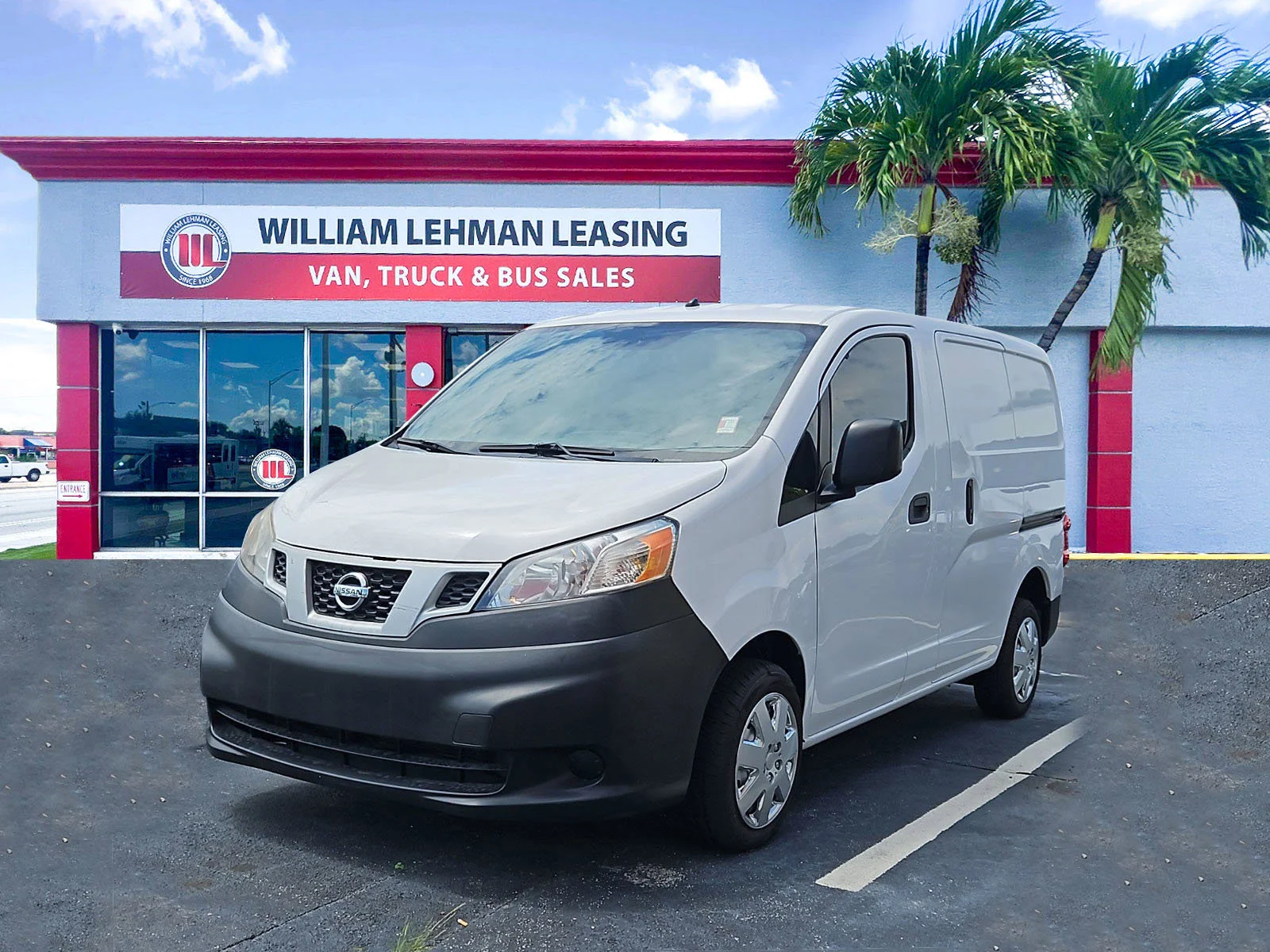
Commercial buyers should recognise the broad range of models and configurations available. Options differ by brand, passenger capacity and accessibility, so it is important to match vehicle specifications to operational needs. Key factors to evaluate include:
Understanding these choices helps you select the bus that best fits your organisation’s operational requirements.
Beyond the headline features, review chassis types and body styles because they determine maintenance needs, parts commonality and ease of upfitting. Consider interior layout options (seating configurations, luggage or equipment storage), HVAC capacity for the expected climate, and options that affect daily operations—door widths, aisle clearance and step heights. For fleets, standardising on a small number of configurations reduces spare-part complexity and training requirements for drivers and technicians.
For larger purchases, discuss fleet pricing formally. Dealers and manufacturers often publish volume discounts, bundled service packages and upfit credits for larger orders. Prepare a written specification document to use in requests for proposal (RFP) so bids from different suppliers are directly comparable.
Financing is a central consideration when acquiring shuttle or school buses. The following section outlines common financing methods and their typical uses.
Compare each financing plan against your budget, credit profile and operating needs to determine which option aligns best with your business goals.
When comparing loan offers, evaluate effective interest rate (APR), loan term, monthly payment and any fees or prepayment penalties. Consider the cash flow impact of different down payment sizes and how the amortisation schedule affects interest costs over time. Longer terms reduce monthly payments but can increase total interest paid and influence asset management decisions—particularly if you plan to cycle vehicles regularly.
Also consider the lender relationship: short-term lines of credit or floor-plan financing can be useful for dealers and businesses that rotate inventory frequently. Credit unions and community banks sometimes offer competitive terms for local operators; captive finance arms associated with manufacturers may provide tailored packages, but always review the total cost and contractual obligations.
Leasing is an alternative to purchase for organisations that want to avoid long-term ownership commitments. Common leasing alternatives include:
Evaluate lease structures, total cost over term and upgrade flexibility to decide if leasing better supports your operational strategy than buying.
Leases can be structured with maintenance packages bundled or as a pure finance lease where the lessee handles maintenance. Confirm responsibility for routine services, repairs, tire replacement and heavy component failures before signing. Pay attention to mileage or usage limitations and excess-use penalties, which matter for high-mileage shuttle routes or heavy-duty school runs. End-of-term options frequently include a purchase option at a predetermined residual price, or return with inspection and potential end-of-lease charges.
When reviewing lease proposals, request a full cost breakdown: monthly rent, taxes, security deposit, maintenance obligations and any early termination clauses. For organisations that prefer forecastable operating expenses and frequent upgrades to newer safety or emissions standards, leasing can be an effective tool to manage capital and operational budgets.
Buyers should investigate fleet pricing and extended warranty options that some dealers offer. For specific guidance and inventory details, contact a local dealership to discuss tailored solutions.
Consider negotiating service-level agreements (SLAs) with local dealers or third-party service providers that include guaranteed response times, parts availability and technician training. Extended warranties can reduce exposure to high repair costs, but compare coverage limits, exclusions and required maintenance to keep the warranty valid. Also confirm lead times for replacement parts, particularly for less common powertrains or specialised accessibility equipment.
Commercial shuttle and school buses vary by configuration, equipment and intended use. Differences in features and specifications can significantly affect suitability for particular routes and passenger needs.
Common platform distinctions include cutaway chassis (where a commercial van or truck chassis is fitted with a bus body) and full-size school-bus chassis. Powertrain options have broadened; traditional diesel and gasoline drivetrains remain common while hybrid and battery-electric configurations are increasingly available. Each powertrain has operational trade-offs—fuel economy, charging or refuelling infrastructure and maintenance profiles—that should be evaluated against route length and duty cycles.
Selecting the right model requires evaluating passenger capacity, accessibility features and your intended commercial use. Confirm regulatory requirements and ensure the chosen vehicle meets both operational and compliance needs.
Steps to choose a model:
When purchasing used buses, focus on specifications that affect performance, cost and safety.
Comparing these areas helps buyers make prudent investments that balance operational efficiency and safety.
Additional technical items to verify include transmission type, braking systems (ABS, air brakes), suspension condition, cooling system integrity and the condition of auxiliary components such as wheelchair lifts, HVAC and interior lighting. Confirm odometer and engine hours, request service records, and, where possible, obtain a third-party vehicle history report. If emission controls or aftertreatment systems are present, verify they are functioning and compliant with local regulations.
Knowing the available financing routes helps you structure payments and manage cash flow for bus acquisitions or leases.
Financing typically splits into loans and leases. Loans often require larger down payments and lead to ownership once paid; leases usually carry lower upfront costs but do not transfer ownership. Compare total cost, cash flow impact and long-term needs to choose between them.
Key considerations when comparing loans and leases:
Leases commonly run from twelve to seventy-two months. Financial benefits include lower monthly payments and reduced initial cash outlay, freeing capital for other operational expenses.
When reviewing local lease offers, ask for sample lease contracts to compare standard clauses. Pay attention to insurance requirements, routine maintenance obligations and any lessee responsibilities for major component replacement. Some lease packages include telematics, driver training or scheduled maintenance, which can simplify fleet oversight but change the total monthly cost.=uld we keep a traditional business model or promote a fleet leasing model …, AM Ngoc
Identifying reputable dealers is essential to secure quality vehicles and reliable service support for your fleet.
Sources to consider when locating inventory:
Assess dealer reputation, transparency and the financing solutions they offer. Dealers that provide clear records and multiple financing paths reduce purchase risk and simplify acquisition.
Evaluation checklist for dealers:
Specialised commercial bus dealers typically offer deeper product knowledge, a broader inventory of commercial-grade vehicles and competitive pricing—advantages that help streamline procurement for businesses.
Specialised dealers can assist with upfitting (installing wheelchair lifts, communication and safety systems), warranty administration and tailored financing, and often maintain trained technicians familiar with specific bus platforms. These services reduce the operational friction that follows vehicle delivery.
Effective comparisons consider listed price alongside vehicle condition, service history and available features to measure overall value.
When comparing two or more candidates, normalise prices by estimating expected remaining service life and likely near-term maintenance costs. Create a simple scorecard that weights key attributes such as mechanical condition, interior condition, accessibility equipment, remaining warranty and total cost of ownership over a multi-year horizon. This objective approach reduces bias and helps justify procurement decisions to stakeholders.
Use a checklist covering mechanical systems, required documentation and professional inspection options to uncover potential issues before purchase.
Sample inspection checklist items:
Feature comparison charts should list key specifications—engine type, safety systems and optional equipment—so you can quickly identify differences and select the best fit for your routes.
Essential columns for a comparison chart include age, odometer/engine hours, last major service, accessibility features, HVAC condition, drivetrain type and an estimated remaining life score. Use consistent scoring criteria across candidates and document assumptions so decision-makers understand the basis for selection.
Reliable after-sales support and a structured maintenance programme are fundamental to keeping buses operational and minimising downtime.
Best practices:
Regular, scheduled maintenance prevents larger repairs, maintains safety standards and extends vehicle service life—reducing total lifecycle costs.
Consistent maintenance ensures predictable performance: fluids are changed before contamination causes damage, wear items are replaced before failure and safety-critical systems receive routine checks. For vehicles in daily service, a short, enforced pre- and post-trip checklist can identify issues early and reduce in-service failures.
Dealers commonly offer warranties that cover major components for defined periods. Review warranty scope and duration to ensure adequate protection against significant repair costs.
Common warranty structures include limited powertrain coverage, extended component coverage (for major electrical or HVAC systems) and optional add-on plans that cover labour or roadside assistance. When considering warranty offers, verify any required maintenance to keep coverage valid and whether approved service centres are restricted to dealer facilities or can include third-party certified shops.
Buyers often seek practical answers about financing, ownership and operational implications when acquiring or leasing buses.
Flexible financing depends on the lender or dealer. Compare interest rates, down payments and monthly obligations across offers to identify terms that match your cash flow and credit profile.
To increase flexibility, consider options such as staggered purchases (phased procurement), revolving credit facilities for fleet additions, or negotiating seasonal payment structures aligned with revenue cycles. Always ask lenders about refinance or prepayment options in case cash flow improves and you want to reduce interest costs.
The primary difference is ownership and long-term value. Buying builds equity but requires higher upfront capital; leasing reduces initial cost and offers flexibility without asset ownership. Base your choice on fleet strategy and financial plans.
Other trade-offs include maintenance control (owners typically choose and manage maintenance providers while leases may prescribe certain service paths), and balance-sheet treatment. Determine if the organisation prefers owning an asset that can be depreciated and sold later or if it prefers the operating expense predictability that some leases provide.
Industry trends and regulatory changes can affect vehicle selection, operating costs and compliance requirements, so stay informed when planning purchases.
Key planning considerations:
Market demand is shifting toward more fuel-efficient and lower-emission models as operators respond to environmental concerns and regulatory pressure. Buyers are prioritising vehicles with improved fuel economy and reduced emissions.
Additionally, demand for well-documented, maintained used units has increased because buyers value predictable maintenance histories. Vehicles equipped with telematics and digital service records often command a premium because they reduce uncertainty about prior usage and simplify lifecycle planning.
Regulatory standards determine required safety features and inspection schedules. Verify applicable rules and required equipment to ensure compliance and avoid operational delays.
Common regulatory touchpoints include seat belt requirements, emergency exit standards, accessibility rules and periodic inspection intervals. Planning for regulatory compliance early in the procurement process reduces retrofit costs and operational disruption later.
Additional resources to support decisions include fleet management software vendors that offer total cost of ownership modelling modules, independent inspection services for pre-purchase assessments and industry associations that publish procurement guidelines and technical standards.
Consider passenger capacity, intended duty cycle and necessary accessibility features. Compare brands and models for reliability and available safety systems, and choose a vehicle that matches your operational profile.
Also weigh maintenance capability, parts availability and driver ergonomics: a reliable vehicle in operation is as much about support infrastructure as it is about the initial specification.
Decide based on your financial position and fleet strategy. Leasing typically lowers monthly costs and supports frequent upgrades; buying is better for long-term use and asset accumulation. Match the option to your cash flow and operational horizon.
Engage finance and operations teams together to model scenarios over a typical fleet lifecycle so the decision reflects both balance-sheet and operational realities.
Lease payments are often deductible as a business expense, which can reduce taxable income. The tax impact varies by situation, so consult a tax professional for specific guidance.
Warranty coverage reduces exposure to unexpected repair costs on major components such as the engine and transmission. Review warranty terms, duration and exclusions to confirm adequate protection.
Useful resources include manufacturer specification sheets, online comparison tools, dealer inventory listings, industry forums and trade shows. Consulting with experts can also clarify complex technical and financial questions.
Start by reviewing local safety regulations, required inspections and mandatory equipment. Prioritise vehicles with up-to-date safety features—such as anti-lock brakes, seat belts and emergency exits—and keep thorough compliance documentation.
