
By William Lehman, William Lehman Leasing. Sprinter vans serve many businesses as reliable, high‑capacity transport. Consistent maintenance preserves performance and reduces downtime. This guide delivers practical maintenance steps, inspection checkpoints, and explains how financing fits into upkeep planning. Apply these recommendations to lower repair costs and keep your Sprinter van a productive asset for your operation.
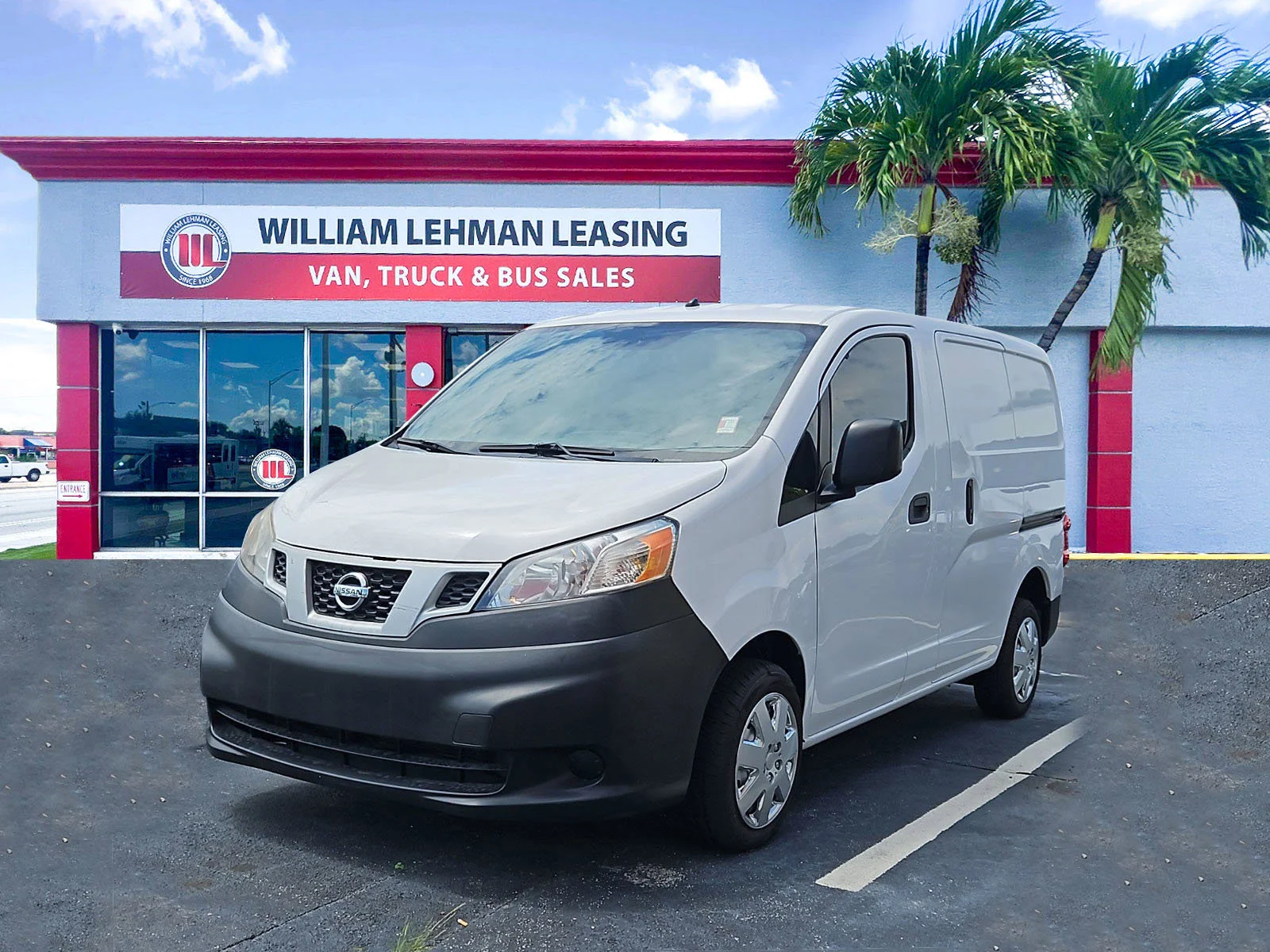
Maintenance for a Sprinter van requires a methodical, proactive approach. Preventive care—oil changes, fluid checks, tire rotations and inspections—directly affects reliability, safety and regulatory compliance. Build maintenance tasks into your operating schedule so vehicles remain serviceable and compliant. This section lists key tasks and practical advice tailored to Sprinter vans.
To put these practices into operational use, create a maintenance calendar that maps tasks to mileage bands and time intervals. For busy fleets, combine mileage-based checks with quarterly or semiannual reviews to ensure items that don’t occur often (belt condition, coolant quality, suspension bushings) are not overlooked. Assign ownership for each task—driver checks, shop inspections, and a coordinator who verifies records—to keep the programme consistent.
Routine maintenance extends service life and reduces unexpected costs. Follow these core practices to keep your Sprinter van performing reliably and safely.
Below is a practical monthly and annual checklist you can adopt. Monthly checks focus on driver-level items; quarterly and annual intervals require technician attention:
| Maintenance Task | Recommended Frequency |
|---|---|
| Oil Change | Every 10,000 miles |
| Transmission Fluid | Every 40,000-60,000 miles |
| Brake Inspection | Every service or 10,000 miles |
| Tire Rotation | Every 5,000-7,500 miles |
Adhering to these maintenance tasks helps extend your Sprinter van’s service life and supports safer operation on the road.
Equipping vehicles with a small onboard tool kit and basic spare parts (a serviceable jack, lug wrench, spare fuses, a basic filter and a small supply of oil) reduces roadside delays and enables faster interim fixes until full service is available. Maintain an inventory of common wear parts for each van in the fleet so technicians can complete routine repairs quickly.
Consistent care routines protect vehicle uptime and fleet value. Formalise processes that make regular maintenance predictable and auditable.
Consistent record keeping and scheduled inspections reduce the risk of unexpected breakdowns and keep your maintenance programme efficient.
Budgeting is a key part of van ownership. Knowing available financing options helps you plan for routine maintenance and unexpected repairs without disrupting cash flow.
William Lehman Van Truck and Bus Sales provides financing options designed to help business owners manage maintenance costs, so you can maintain operational efficiency while keeping your Sprinter van serviceable.
When evaluating financing, compare options that match cash flow and operational cycles. Common approaches include short-term payment plans for repairs, monthly service contracts that bundle routine maintenance, and lease or warranty add-ons that shift some repair risk to the provider. Ask about what is included in a service package, whether parts and labour are covered, and how claims and approvals are handled to avoid surprises when a repair is needed.
Brake inspections are a safety-critical task. Follow a clear checklist and schedule checks frequently to reduce the risk of failure and downtime.
Visually check brake pad thickness and replace pads if they measure 1/4 inch or less. Inspect rotors for scoring or warping. Perform a short test drive to detect grinding, squeaking or unusual vibrations that indicate brake issues.
A practical inspection routine includes: lift the vehicle safely, check pad and rotor condition on each wheel, look for fluid leaks at the caliper and flex hose connections, and verify parking brake operation. Document measurements and any rotor run-out readings so you can compare results over time and identify accelerating wear patterns.
Replace brake components when pads reach wear indicators or if braking causes pulsation, which may signal rotor problems. For heavy use, plan replacements every 20,000 to 30,000 miles to maintain safety standards.
In addition to scheduled replacement intervals, respond promptly to driver reports of reduced braking performance, longer stopping distances, or noises. After heavy loads or frequent stop-and-go operation, prioritize brake inspections and consider upsizing inspection frequency to capture accelerated wear.
Tire and suspension care affects handling, tire life and component wear. Regular attention here preserves safety and lowers operating costs.
Check tire pressure and tread depth routinely. Rotate tires every 5,000 to 7,500 miles to promote even wear. Arrange wheel alignment at least annually or sooner if the vehicle pulls to one side.
Use a tread depth gauge and set minimum tread thresholds to ensure safe operation. When replacing tires, match load ratings and size to manufacturer recommendations. Track tyre serials and rotation history in your maintenance log to spot recurring alignment or suspension issues that contribute to uneven wear.
A serviceable suspension delivers a stable ride and reduces stress on tires and chassis parts. Inspect shocks, struts and springs for wear and replace them on the manufacturer’s recommended schedule or when performance degrades.
Listen for clunks or excessive bounce during test drives and inspect bushings, mounts and fasteners for corrosion or looseness. Correcting suspension problems early prevents accelerated wear on steering components and reduces stress on the cargo area and mounting points.
Financing and leasing options can make maintenance costs predictable and provide access to scheduled service without large upfront expenses.
Financing through William Lehman Sales offers flexible payment plans that help you schedule maintenance on time without straining cash flow. Their service packages may include routine checkups that lower long‑term costs.
Leasing often includes defined service coverage and warranty support, ensuring scheduled maintenance and necessary repairs are handled under the lease terms. This structure supports proactive servicing and predictable maintenance expenses.
Before signing any agreement, review exclusions and what constitutes normal wear versus damage. Understand how mileage limits and authorized service providers affect your obligations and whether excess wear charges could apply at lease end.
Use professional service on a planned schedule and document work to keep your fleet dependable. Clear processes reduce downtime and improve cost control.
Maintain a single source of truth for service records, whether through a fleet management platform or a shared spreadsheet, so technicians and managers have the same view of outstanding items. When possible, coordinate service windows so vehicles are cycled through maintenance during low-demand hours.
Knowing common failure modes reduces risk. Typical issues include fluid leaks, brake wear and engine performance problems—most are manageable with routine checks and timely repairs.
Following these maintenance recommendations helps owners extend vehicle life, improve safety and control operating costs, while understanding how financing options can support consistent upkeep.
Detailed records ensure compliance with manufacturer guidelines and warranty terms and help preserve resale value. Logs also reveal recurring faults, support service planning and highlight trends that allow you to address issues early and avoid larger repair bills.
Reduce downtime by following a strict service schedule and performing routine maintenance to catch issues early. Work with a trusted service centre that knows your vehicle history, and consider service packages that cover common repairs to speed up approvals and work.
For winter: verify antifreeze levels, test the battery, check tire tread and switch to appropriate winter blades if needed. Keep windshield washer fluid suitable for low temperatures and have brakes inspected, since cold conditions increase stopping demands.
Choose a provider with Sprinter experience, proper certifications and solid customer feedback. Compare pricing and available service packages, and factor in location and scheduling flexibility to minimise downtime.
Inspect brakes at every scheduled service, typically around every 10,000 miles or as the manufacturer recommends. Perform visual checks between services, and respond quickly to squeaks, grinding or vibration to avoid escalation.
Preventive maintenance improves reliability and fuel efficiency, and it catches small problems before they become costly. This approach extends vehicle life, lowers operating costs and gives you greater confidence in daily operations.
