By William Lehman, William Lehman Leasing. This guide clarifies how businesses should choose, finance, and maintain TCI certified wheelchair accessible vehicles. It outlines the practical considerations that affect operations, details compliance and safety expectations, and explains maintenance best practices. TCI certified vehicles are built to improve accessibility for people with disabilities while meeting regulatory standards and supporting efficient operations. The following sections address selection criteria, financing routes, and maintenance routines so you can make informed, business-focused decisions. The guide explains the TCI certification process, the main commercial vehicle types, and common leasing structures. It emphasises how certification supports safety and regulatory compliance for mobility solutions and includes practical checklists and examples to help with procurement, fleet planning, and day-to-day operations.
Choosing the correct wheelchair accessible vehicle affects operational efficiency and client satisfaction. Consider the required access type, must-have features such as ramps, lifts and tie-downs, and any customisations needed to meet service demands. A structured selection process reduces costly retrofits and ensures vehicles fit your routes, passenger profiles, and service model.
Use a decision checklist that covers capacity, accessibility equipment, interior layout, driver ergonomics, curbside operations, and maintenance access. Below are items to weigh when narrowing choices.
Assess these elements against your service model and budget to select the option that delivers the best operational value. Consider pilot testing a vehicle in-service for a short period or seeking client feedback on boarding experience and comfort before committing to a larger purchase or lease.
Businesses typically finance TCI certified mobility vehicles by purchasing outright or leasing. Each option has distinct financial and operational implications to weigh against cash flow and fleet strategy. The right choice depends on capital availability, expected fleet turnover, tax considerations, and service predictability.
Evaluate upfront costs, recurring payments, and total cost of ownership over the vehicle’s service life when comparing financing options. Factor in modification costs, certification fees, fuel or energy type, insurance, and expected salvage or resale value. For many operators, a simple spreadsheet model that projects cash flow across ownership or lease scenarios clarifies the true comparative cost.
Leasing provides predictable short-term costs and preserves capital for other operational needs. It can be particularly useful for fleets with rapidly changing demand, seasonal operations, or organisations that plan to upgrade technology or accessibility features regularly.
When considering leasing, confirm what is included in the lease (maintenance, insurance, repairs, replacement vehicles) and the end-of-term options, such as purchase, renew, or trade-in. Clear lease terms reduce unexpected liabilities and simplify total cost calculations.
Standard lease agreements specify duration, mileage allowances, and maintenance responsibilities to limit unexpected costs and protect asset value. When reviewing lease documents, pay special attention to clauses that relate to warranty, modification permissions (for accessibility equipment), and responsibilities for certification upkeep.
Negotiate transparent end-of-lease inspection criteria for adaptive equipment, as these elements often determine charges at lease termination. Document pre-lease condition and any agreed-upon modifications to avoid disputes later.
Regular inspections and scheduled maintenance keep TCI certified vehicles safe and reduce downtime. Proactive servicing prevents costly repairs and supports reliable operations. Establish formal maintenance plans that include both routine mechanical tasks and focused checks for accessibility systems.
Modern maintenance extends beyond visual checks to include system diagnostics and comprehensive assessments of accessibility components to ensure consistent performance. Use manufacturer-recommended diagnostics tools for electrical systems and maintain a parts inventory for high-use components like tie-down straps and ramp motors.
Following these procedures helps extend vehicle service life and maintain compliance with safety standards. Maintain a centralised maintenance log for each vehicle that records inspections, repairs, part replacements, and any incidents. These records support warranty claims, resale, and certification audits.
Additional maintenance recommendations:
Engaging mobility specialists and reviewing available inventory regularly helps you match vehicle capabilities to business requirements and access the latest safety features. Consider operational impacts such as driver training, route constraints, and passenger handling procedures when selecting and configuring vehicles.
Also consider staff training and written procedures for safe boarding and securement. Training reduces the risk of operator error and ensures consistent use of adaptive equipment, which supports safety and preserves equipment life.
TCI certification verifies that mobility vehicles meet defined safety and performance standards. The process confirms that vehicles are configured to serve users who require accessible transport and that modifications and equipment meet published requirements for safe operation. Certification typically involves documentation review, physical inspection, and tests of installed systems.
Certification requires documented evaluations of vehicle construction and access features, plus compliance with applicable federal safety regulations governing accessibility equipment. Documentation often includes drawings, installation records, component specifications, and test results demonstrating conformity with required standards.
When procuring vehicles, request copies of certification documentation and confirm that any aftermarket upgrades have been added in a way that preserves the certified configuration. Keep these documents with the vehicle’s service records to simplify audits and resale.
TCI certification enforces safety benchmarks for accessibility components, protecting drivers and passengers while supporting user independence through consistent standards. Certification processes include operational testing to confirm that ramps and lifts operate reliably and that restraints and securements hold under expected load conditions.
Commercial operations can choose from several TCI certified vehicle types, each built to address specific transport and capacity requirements. Selecting between vans and buses depends on passenger volume, route type, and the balance between flexibility and capacity.
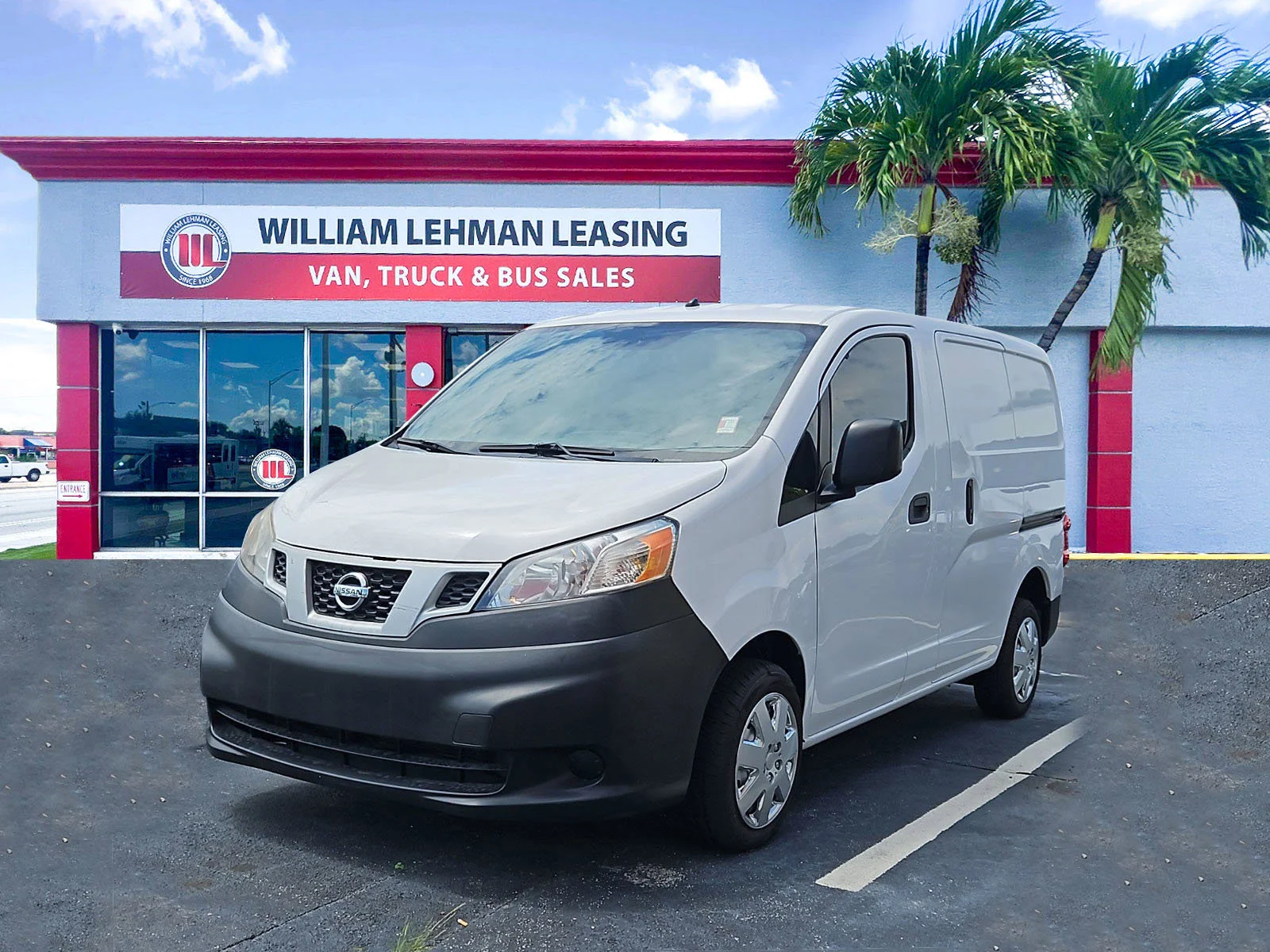
William Lehman Van, Truck, and Bus Sales lists TCI certified wheelchair accessible models and partners with reputable manufacturers. Vehicle specifications detail accessibility features and operational capability to support purchasing decisions. When working with a dealer, request detailed spec sheets, certification copies, and service history for used vehicles to ensure transparency and alignment with your needs.
Compare new vehicles’ current features and warranty coverage against used vehicles’ lower acquisition cost and remaining service life to determine the best fit for your budget and service requirements. Consider the typical remaining lifespan of adaptive equipment and whether key components have been recently serviced or replaced.
When evaluating used vehicles, verify the condition of ramps, lifts, and securement systems and ask for maintenance logs. A well-documented used vehicle with recent component replacements can be a lower-cost option while still offering reliable service.
Leasing structures are tailored to business cash flow and asset strategies, and can include term lengths and payment schedules designed for commercial needs. Lessees should understand what is covered under the lease and whether the lessor will permit necessary accessibility customisations without voiding the agreement or certification.
A clear understanding of financing options, incentives, and total cost of ownership is essential to choose the most suitable funding approach for your fleet. Financing options may include traditional bank loans, equipment financing, or dealer-arranged plans with varying terms and down payment requirements.
William Lehman Van, Truck, and Bus Sales offers financing plans with flexible payment terms to accommodate varied budgets and procurement timelines. When discussing financing with a dealer or lender, request a full breakdown of fees, interest rates, and any conditions related to modifications or commercial use to avoid surprises.
Key considerations include the initial purchase or lease payments, costs for necessary modifications, ongoing operating expenses, and projected resale value when applicable. Also include insurance premiums, expected fuel or energy costs, and the expense of maintaining certification throughout the vehicle’s service life.
Structured service schedules and clear maintenance ownership help sustain vehicle reliability and demonstrate compliance with certification requirements. Centralise scheduling in a fleet management system or use a consistent vendor to ensure service continuity and consolidated records.
Certification-aligned maintenance focuses on accessibility systems—ramps, lifts, tie-downs—and routine checks of related mechanical and electrical systems. Special attention to mounting hardware, control systems, and electrical interfaces ensures that accessibility features remain safe and reliable.
William Lehman provides a simplified scheduling process so customers can arrange service visits that keep vehicles operational and compliant. Use online scheduling to book inspections, order parts, and record service histories; this centralised documentation also assists with warranty and certification matters.
TCI certified vehicles help businesses meet regulatory requirements and improve service accessibility, which supports broader customer reach and operational reliability. Certification simplifies procurement by providing verified configurations that meet tested accessibility and safety benchmarks.
Certification demonstrates adherence to defined accessibility standards, signalling a business commitment to inclusive service and helping users access transport independently and safely. It also reduces administrative burden when demonstrating compliance to customers, partners, or regulators.
Market analysis shows rising demand for certified mobility vehicles as organisations increase accessibility offerings. This trend drives greater availability and feature development across the sector. For operators, increased demand can mean more options and potential competitive pricing if procurement is timed to market availability.
Sourcing used TCI certified vehicles through online marketplaces and local dealerships can reduce acquisition costs while providing access to certified models that meet operational needs. When searching, use filters for certification status and request full service histories and certification documentation before visiting or buying.
Evaluate vehicle history reports and confirm TCI certification documentation. These checks reveal past maintenance, accidents, and whether the vehicle meets required standards. Perform a hands-on inspection of all adaptive equipment, verify serial numbers for installed systems, and, where possible, witness a full functional test of ramps and lifts.
Financing and leasing for used certified vehicles commonly include flexible payment schedules and bespoke options to fit operating budgets and procurement constraints. Used vehicle financing can be structured to include costs for initial refurbishment or replacement of high-wear items.
Common adaptations for wheelchair accessible vehicles include ramps, lifts, secure tie-downs and non-slip flooring that together improve usability and safety. Choose equipment matched to the passenger types you serve and ensure it integrates safely with vehicle architecture.
Reviewing specific equipment examples helps clarify which adaptations align with your operational needs. When specifying equipment, ask about load ratings, duty cycles, and expected maintenance to ensure the chosen systems match your service intensity.
Adaptive Mobility Equipment for Vehicle Applications
Vans used by people with mobility impairments typically require specialised adaptive equipment to support independent transport or operation.Adaptive equipment: Freedom and independence for people with disabilities, 1994
Typical adaptive equipment includes ramps for entry and lifts for safe boarding, together with securement systems that stabilise wheelchairs during transit. Other common installations are retractable tie-downs, occupant restraint systems integrated with seating, non-slip surface treatments, and auxiliary lighting for evening operations.
These adaptations reduce fall and injury risk, improve boarding efficiency, and help vehicles meet regulatory safety requirements while enhancing passenger comfort. Well-integrated systems minimise trip hazards, reduce the need for manual handling by staff, and decrease loading times—benefits which collectively support higher service reliability.
Look for the access type that fits your operations (rear- or side-entry), sufficient seating for passengers and caregivers, reliable ramps or lifts, and secure tie-downs. Consider customisations such as non-slip flooring and integrated safety equipment. These features improve safety, comfort and regulatory compliance for your service. Also assess vehicle turning radius, door clearances, and driver sightlines when choosing a model for busy or constrained areas.
Maintain a regular inspection schedule for all accessibility systems, follow TCI and manufacturer maintenance guidelines, and address mechanical issues promptly. Use qualified technicians for specialised work and retain certification records to demonstrate compliance during audits. Keep a centralised file with certification documents and service records for each vehicle.
Owning a vehicle gives full operational control and can lower costs over the long term after purchase. Leasing lowers initial capital requirements, supports fleet updates on a predictable schedule, and can simplify budgeting. Choose based on cash flow, fleet turnover plans, and total cost of ownership analysis. Consider hybrid approaches, such as purchasing some high-use vehicles while leasing for seasonal or trial routes.
Mobility specialists assess operational needs, recommend suitable vehicle types and adaptive equipment, and advise on compliance and cost trade-offs. Their expertise helps you match vehicle capabilities to service requirements and avoid costly retrofit errors. Specialists can also conduct in-service evaluations and training to ensure equipment is used correctly.
Follow a maintenance programme that includes routine mechanical inspections, tyre care, and functional checks of ramps, lifts and tie-downs. Adhere to manufacturer and TCI service intervals and document all work to preserve safety and resale value. Include periodic load testing of lifting equipment and scheduled replacement of wear items to avoid unexpected failures.
Rising demand for accessible transport encourages manufacturers and dealers to increase certified offerings and improve features. Monitoring market trends helps you identify periods of greater availability and competitive pricing for certified models. When demand is high, consider early engagement with dealers to reserve inventory or establish build slots for custom specifications.
